Beyond the Spreadsheet: How Work Efficiency Tools Finally Brought Peace to My Family Life
Imagine this: you’re staring at your laptop at 10 PM, drowning in unfinished tasks, while your child quietly asks if you’ll read them a bedtime story again tomorrow. I’ve been there. For years, I chased productivity like it was a finish line—only to realize I was running away from what mattered most. Then, something shifted. Not because I worked harder, but because I started working smarter—with tools that didn’t just track hours, but protected them. This is how efficiency stopped being a work obsession and became a gift to my family.
The Breaking Point: When Productivity Lost Its Purpose
There was a time when I wore my busy schedule like a badge of honor. My planner was color-coded, my to-do list grew longer every day, and I prided myself on answering emails within minutes—even after dinner. I thought I was being responsible, efficient, in control. But the truth? I was emotionally absent. I was physically present at the dinner table, but mentally still in back-to-back Zoom calls. I was reading bedtime stories with one eye on my phone, waiting for the next work notification.
The breaking point came on a rainy Tuesday. My youngest had made me a card at school—"World’s Best Mom," it said in crooked crayon letters. She handed it to me with so much pride, and I remember nodding while typing a quick reply to a client. Later that night, I found the card crumpled in the trash. That moment gutted me. It wasn’t just about the card. It was about how much of my attention I had given away—how many small, sacred moments I had missed because I was trying to do it all, perfectly, all the time.
I realized then that my idea of productivity was broken. I wasn’t measuring what really mattered. I wasn’t tracking my presence, my peace, or my connection with my family. I was measuring output—tasks checked off, emails sent, meetings attended—but at what cost? The guilt was constant. I loved my work, but I was losing myself in it. I knew I needed a change, not in how much I did, but in how I did it. I didn’t need more hours. I needed better ones.
Rethinking Efficiency: From Output to Intention
So I started asking myself a new question: What if efficiency wasn’t about doing more, but about doing what matters? What if the real win wasn’t clearing my inbox, but being fully there for my daughter’s first piano recital? That shift—from output to intention—changed everything. I began to see time not as something to fill, but as something to protect. And that’s when I started looking for tools that supported that mindset, not just my workload.
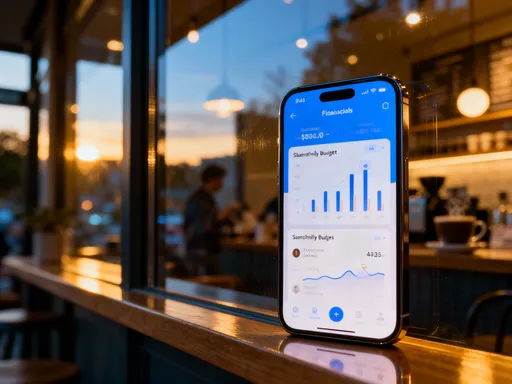
I downloaded a simple time-tracking app, not to monitor how many hours I worked, but to see where my time was actually going. What I discovered was shocking. I was spending over two hours a day in meetings that could have been emails. I was checking work messages during family dinners, soccer games, even bedtime routines. These weren’t emergencies—they were habits. And habits, I learned, can be redesigned.
I started using calendar analytics to highlight my most focused hours—mine were between 9 AM and 11 AM—and I began guarding that time like gold. I turned off non-essential notifications and set my email to only send at three scheduled times a day. It felt risky at first. Would people think I was slacking? But the opposite happened. My work improved because I was focused. And my family noticed the difference even more. I was less distracted, less tense, more present. Efficiency wasn’t about speed anymore. It was about intention. And that made all the difference.
Choosing Tools That Respect Family Rhythms
Not all tech tools are created equal—especially when you’re trying to protect family time. I used to use apps that glorified hustle, that sent me push notifications at 8 PM reminding me to “crush my goals.” That didn’t help my kids feel secure. It made me feel like I was always behind. So I made a rule: any tool I used had to fit into our family’s rhythm, not disrupt it.
That’s when I discovered the power of calendar blocking. Instead of letting my work schedule dictate our lives, I started blocking time for family just as seriously as I blocked time for meetings. Family dinner from 6 to 7 PM? Blocked. Homework help from 4:30 to 5:30? Blocked. Saturday morning pancake tradition? You bet it’s in the calendar. And I made sure my work calendar reflected those boundaries too. No more scheduling calls during school pickup—because that time belonged to us.
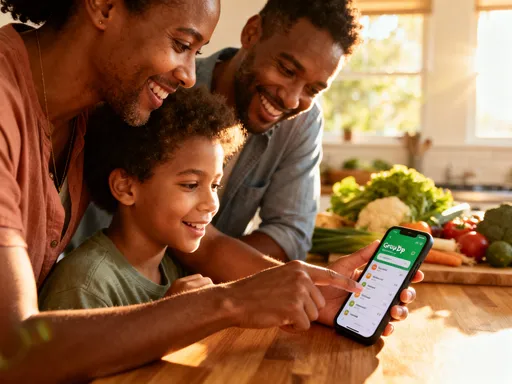
We also started using a shared family calendar that everyone could see. At first, the kids thought it was just for grown-up stuff. But then I showed them how to add their soccer practices, school plays, and even their “free time” blocks. Now, when my son wants to know when I’m free to play chess, he checks the calendar. It’s taught him to respect time—and it’s taught me to honor it. We even color-code: blue for school, green for family, red for work. And when red starts spilling into green too often, we talk about it. The calendar isn’t just a planner—it’s a promise.
I also started using focus timers during work hours so I could get more done in less time. Twenty-five minutes of deep work, five minutes of break—that’s all it took to finish a report that used to take me half a day. And because I was more efficient, I could leave work on time. No more “just one more email” turning into two hours. The tools weren’t making me work more. They were helping me work so I could stop working—and show up for what really mattered.
The Daily Win: Small Shifts, Big Emotional Payoffs
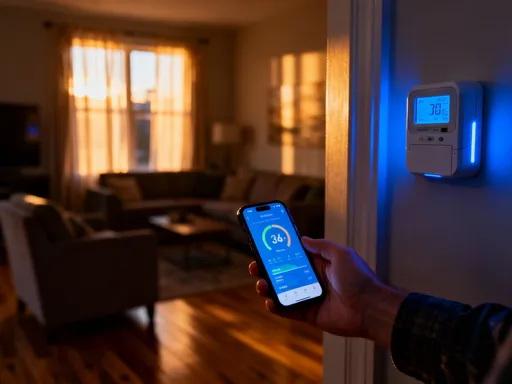
Change doesn’t have to be dramatic to be powerful. Some of the smallest tech habits brought the biggest shifts in our home. One of the most meaningful? Turning off all work notifications after 7 PM. I set my phone to “Focus Mode” and silenced everything except family calls. At first, I felt anxious. What if something urgent came up? But after a week, the anxiety faded. And what replaced it? Eye contact. Laughter. Real conversations.
My daughter started saying, “Mom, you’re really here now.” That broke my heart in the best way. She had noticed the difference long before I did. We started playing board games without me checking my phone. We talked about her day—really talked—without me mentally drafting my next to-do list. And bedtime? It became sacred again. No more rushing through stories. I was calm, present, and fully there.
Another small habit that made a huge difference: the daily review. Every evening at 7:30, before joining the family, I spent ten minutes reviewing what I’d accomplished, what needed to wait until tomorrow, and what I was grateful for in my work day. It gave me closure. Instead of carrying the weight of unfinished tasks into family time, I could let them go—knowing they were captured, prioritized, and waiting for me the next morning. That little ritual didn’t just organize my work. It freed my mind.
And you know what? My family didn’t need me to be perfect. They just needed me to be present. Those small tech boundaries didn’t make me less productive—they made me more human. And that, more than any promotion or praise, became my real measure of success.
Involving the Whole Household: Tech That Serves Everyone
One of the most surprising benefits of using these tools was how they brought our family closer together. I used to think efficiency was a solo journey—that I had to figure it out on my own, in silence. But when I started sharing the system with my family, everything changed. I showed my kids how my focus timer worked. I explained that when the bell rang, I was in “deep work mode,” and they knew not to interrupt—unless it was an emergency, of course.
But here’s the magic: I also taught them that when I finished my focused block, I was all theirs. We called it “earned time.” And they loved it. My son would say, “Mom, you did your 25 minutes—can we play now?” It turned boundaries into something positive, something to look forward to. It wasn’t about me shutting them out. It was about me showing up fully when I was with them.
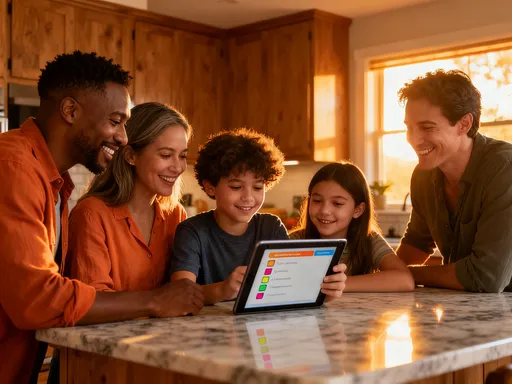
We also started a weekly family meeting using our shared calendar. Every Sunday evening, we’d sit together and look at the week ahead. Who had practice? Who needed a ride? What days did I have big work deadlines? The kids started raising their hands to say, “Mom, Tuesday is your quiet day—can you help me with my project on Wednesday instead?” They weren’t resenting my work time. They were learning to plan around it—and to respect it.
That transparency changed our dynamic. I wasn’t hiding behind my laptop anymore. I was teaching them that work is important, but so is balance. That time is precious, and we all have a role in protecting it. And in return, they gave me something priceless: trust. They knew I wasn’t ignoring them. I was just doing my part—so I could be fully present when it was time to be theirs.
Sustainability Over Speed: Building Habits That Last
Let’s be honest—no system is perfect. There are still days when work spills over. When a last-minute request comes in, or a child gets sick, and the schedule falls apart. And that’s okay. I’ve learned that sustainability isn’t about never slipping up. It’s about having a system that helps you come back, gently, without guilt.
I used to beat myself up when I missed a bedtime story or forgot to pack a lunch. But now, I use recurring reminders in my app—not just for work tasks, but for self-care and family moments too. “Breathe for 2 minutes,” “Call Mom,” “Ask the kids about their week.” These aren’t productivity hacks. They’re compassion reminders. They help me stay grounded, even on chaotic days.
I also stopped aiming for perfect efficiency. Instead, I aim for consistency. Some mornings are messy. Some days, I work late. But as long as I’m trying to protect family time, to be intentional, to close my laptop with closure—that’s enough. The tools don’t control me. I use them to support the life I want. And when I fall off track, the app doesn’t scold me. It just says, “Ready when you are.” That small phrase—so simple—has brought me more peace than any productivity guru ever did.
Because the truth is, we don’t need to do more. We need to feel more. We need to breathe, connect, and remember why we’re doing all of this in the first place. The tools aren’t there to make us machines. They’re there to help us be more human.
The Real Measure of Success: Calm, Connection, and Time to Breathe
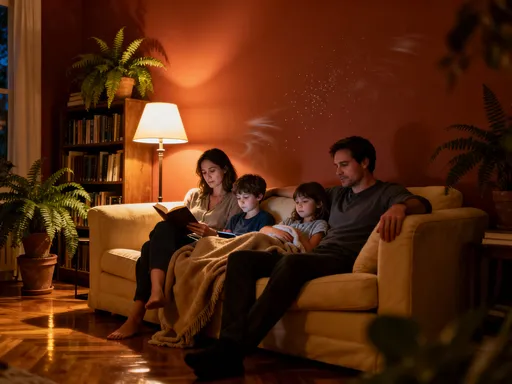
Today, my measure of success looks nothing like it did five years ago. It’s not about how many tasks I checked off or how many promotions I earned. It’s about the quiet moments. The way my daughter laughs when we play silly word games at breakfast. The way my son tells me about his day without me glancing at my phone. The way we sit together on the couch, not rushing, just being.
Efficiency, for me, is no longer about speed. It’s about space. Space to breathe. Space to connect. Space to be a mom, a partner, a person—not just a performer. The tools I use didn’t change my life by making me work more. They changed my life by helping me work less—so I could live more.
I still use calendars, timers, and task managers. But now, they serve a deeper purpose. They’re not tracking my output. They’re protecting my input—the love, the laughter, the little moments that make up a life well-lived. And when I look back, I don’t want to remember the emails I sent. I want to remember the stories I read, the hands I held, the time I was truly there.
So I’ll ask you the same question I asked myself: What could you gain back if your tools truly served your whole self? Not just your job, not just your to-do list—but your family, your peace, your joy? What if the most powerful tech you used every day wasn’t designed to make you faster, but to help you slow down? To help you show up? To help you remember that you’re not just building a career. You’re raising children, loving people, and living a life.
That’s the kind of efficiency I believe in. Not the kind that burns you out, but the kind that brings you home. And if you’re ready to make that shift—if you’re ready to use technology not to do more, but to feel more—then you’re already on the right path. The tools are just waiting to help you get there.