I Got 12 Maintenance Alerts Before My Trip—Here’s How It Saved My Weekend
You know that sinking feeling when your car sputters on a family road trip? I did—years ago. Now, my vehicle quietly reminds me *before* anything goes wrong. It’s not magic; it’s smart tech working in the background, protecting my time, my budget, and my peace of mind. This isn’t about fancy dashboards—it’s about showing up fully for life, without car troubles stealing the moment. I used to think I was good at car care—after all, I’d check the oil once a year and swap windshield wipers when they started squeaking. But life gets busy, and one summer, I learned the hard way just how much I’d been overlooking.
The Weekend That Almost Wasn’t
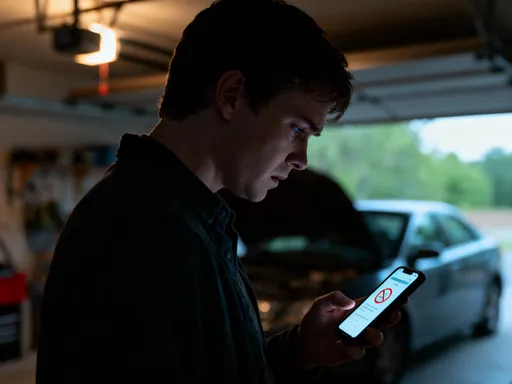
It was my niece’s seventh birthday, and we had planned a weekend getaway to a lakeside cabin—just a three-hour drive, nothing too far. My husband, our two kids, and I packed the car the night before, stacking suitcases, snacks, and a wrapped gift on the back seat. The excitement was real. My daughter had picked out a special dress, and my son was counting down the minutes. But halfway there, the engine light blinked on. Then came a shudder, a cough, and finally, a slow roll to the shoulder of the highway.
We waited over an hour for a tow truck. By the time we got to a repair shop, the mechanic told me what I already suspected: the oil hadn’t been changed in over a year, and the engine was overheating. The damage wasn’t catastrophic, but it was enough to cancel our trip. I remember sitting in that sterile waiting room, watching my kids slump in their chairs, disappointed and tired. I felt guilty—like I’d failed them. It wasn’t just about the car. It was about missing a moment that couldn’t be repeated. Birthdays come once a year. Trust me, you don’t want to be the one who lets the car steal it.
That night, I promised myself I’d never let something so preventable ruin another family memory. I started looking into what could have warned me earlier. That’s when I discovered my car had been trying to talk to me all along—through a feature I’d never even noticed. My vehicle was equipped with a connected maintenance alert system, but I hadn’t set it up. No notifications, no reminders. Just silence until it was too late. Once I activated it, everything changed. Within weeks, I started getting alerts—gentle, clear messages about oil life, tire pressure, and brake pad wear. It wasn’t nagging. It felt like support.
What These Reminders Actually Do (And Why You’ve Been Overlooking Them)
Let’s be honest—most of us don’t read the owner’s manual cover to cover. I didn’t. And if you’re like me, you probably thought car maintenance was just about mileage. Every 3,000 miles, change the oil. Every 30,000, rotate the tires. But modern vehicles do so much more than count miles. They’re constantly learning from how you drive. Think of it like this: your car isn’t just a machine. It’s more like a quiet observer who knows your habits—the short trips to drop the kids at school, the weekend drives, how often you brake hard in traffic, even how cold your mornings have been.
This isn’t science fiction. Most cars made in the last decade come with built-in sensors that monitor engine performance, fluid levels, tire pressure, and more. These systems don’t just guess when you need service. They calculate it. For example, if you mostly take short drives in cold weather, your engine doesn’t fully warm up, which means moisture builds up in the oil. That degrades it faster. A standard mileage-based schedule might miss that, but your car’s system won’t. It adjusts. It’s like having a personal mechanic who actually *sees* your life instead of handing you a one-size-fits-all checklist.
And the alerts? They’re not vague warnings. They’re specific. You might get a message like, “Oil life at 15%—service recommended within 500 miles.” Or “Tire pressure low in rear left—check when safe.” No confusion. No guessing. Just clear, timely information. I used to ignore the little icons on my dashboard, assuming they could wait. Now I treat them like calendar invites for my car’s health. And the best part? These alerts don’t just prevent breakdowns. They help your car last longer, run smoother, and even save on gas. Because when everything’s working as it should, your engine doesn’t have to work so hard.
How It Quietly Supports Your Work-Life Balance
Let’s talk about the real enemy: mental load. You know what I mean—the invisible list in your head of everything that needs to be done. Pick up dry cleaning. Schedule dentist appointments. Pay the electric bill. And now, add “remember to change the oil.” It’s exhausting. We don’t need more to remember. We need things that remember *for* us. That’s where these maintenance alerts come in. They don’t just protect your car. They protect your peace.
When I get a notification that my tires are losing pressure, I don’t panic. I make a note to stop by the gas station on my way home. No last-minute stress. No canceled plans. It’s the same with brake wear alerts. Instead of being caught off guard during a school run, I can schedule a check-up during a slow week. That shift—from reactive to proactive—is everything. It means I’m not juggling emergencies. I’m staying ahead. And that creates space—space to be present with my family, to enjoy a quiet cup of coffee, to actually finish a book. It sounds small, but it’s not. Every time my car speaks up early, it’s like someone took one more thing off my plate.
I’ve also noticed something unexpected: less decision fatigue. When the system tells me exactly what’s needed and when, I don’t waste energy debating whether the oil is “probably still good” or if the tire pressure can “wait until next week.” The data decides. I trust it. And that trust frees me up to focus on things that matter more—like helping my daughter with her science project or planning a surprise dinner for my husband. Technology like this doesn’t replace care. It enhances it. It lets me care *better*, without the constant worry in the back of my mind.
Setting It Up Took Less Than 10 Minutes (And Here’s How You Can Too)
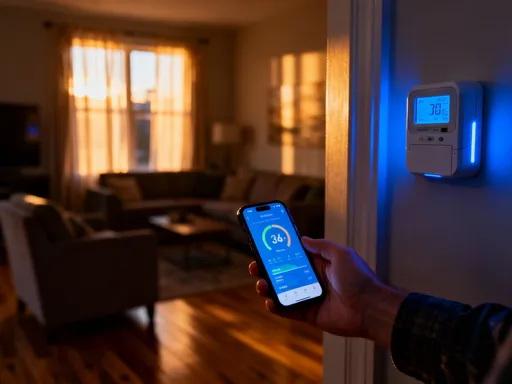
I’ll admit, I thought setting this up would be complicated. I pictured downloading apps, connecting Bluetooth, maybe even reading a manual. But it was shockingly simple. All I had to do was download my car manufacturer’s app—mine was called [Brand] Connect, but names vary—create an account, and link it to my vehicle using the VIN number. That was it. Within minutes, I was receiving alerts on my phone and even by email.
And if you’re not glued to your smartphone, don’t worry. Most systems let you choose how you want to be notified—text message, email, or app alert. I set mine to send texts for urgent issues, like low tire pressure, and emails for routine reminders, like oil changes. That way, I don’t miss anything, but I’m not overwhelmed either. I remember showing my sister how it worked, and she said, “Wait, my car can text me?” I laughed and said, “Yes—and it’s way more reliable than my teenage son.”
Here’s the step-by-step, just in case you’re wondering where to start: First, check if your car has this feature. Most vehicles from the last 8–10 years do, especially if they came with a touchscreen display or navigation system. You can usually find out by visiting your manufacturer’s website and entering your VIN. Next, download the official app—search for your car brand and “owner connect” or “remote services.” Once you’re logged in, follow the prompts to pair your car. You may need to confirm your ownership with a code sent to your phone or email. Finally, go into the settings and turn on maintenance alerts. You can often customize what you want to be notified about—engine health, tire pressure, battery status, etc. That’s it. Less than 10 minutes. No tools. No fees. Just peace of mind.
The Ripple Effect on Daily Life
Once I got into the rhythm of responding to these alerts, I started noticing other benefits—small things that added up. For one, I wasn’t making as many last-minute service appointments. No more calling the garage on a Tuesday morning, hoping they had an opening. Instead, I could plan service during a slow week, even schedule it online. That saved me time and stress. But it also saved money. When I take my car in for regular, timely maintenance, the mechanic isn’t finding bigger problems caused by neglect. No surprise brake replacements. No engine flushes. Just routine care.
My car also started running better. The engine felt smoother. The gas mileage improved slightly—nothing dramatic, but over a year, it added up to real savings at the pump. And I felt more confident driving, especially on solo trips. Last fall, I drove four hours to visit my mom by myself. No kids, no husband—just me and the open road. Halfway there, I got a low tire pressure alert. I pulled over at the next town, filled the tire, and kept going. No drama. No danger. Just a quick fix, thanks to the warning. That kind of reliability? It’s priceless.
And here’s something I didn’t expect: my car lasted longer. I used to trade in vehicles every five or six years, partly because they started feeling worn out. But my current car, now seven years old, still runs like new. Regular care has kept it in great shape. I’ve even started thinking I might keep it past 10 years. That’s not just good for my wallet. It’s better for the planet, too. Fewer cars in junkyards. Fewer resources used to build new ones. Technology that helps us take better care of what we already have? That’s a win on every level.
Not Just for New Cars—Older Models Can Join Too
I know what you might be thinking: “This sounds great, but I don’t have a new car. Mine’s a 2014 sedan with a radio that still plays CDs.” Guess what? You’re not left out. Even if your car doesn’t come with built-in connectivity, you can still get these alerts. All you need is a small device that plugs into your car’s OBD-II port—the same port mechanics use to diagnose check engine lights.
These aftermarket gadgets are affordable—most cost between $30 and $60—and they do exactly what factory systems do. Once plugged in, they connect to an app on your phone and start monitoring your car’s health. You’ll get alerts for oil changes, engine issues, tire pressure, and more. Some even track your driving habits and offer tips to improve fuel efficiency. Brands like Automatic, Mojio, and Zubie offer reliable options, and setup takes just minutes. Plug it in, download the app, and you’re done.
The best part? These devices work on most gasoline-powered vehicles made after 1996. So whether you drive a minivan, a sedan, or an older SUV, you can have the same peace of mind. You don’t need a luxury brand. You don’t need the latest model. You just need a little tech that listens to your car and speaks up when something’s off. And honestly, that’s all any of us really want—to know our car is okay, so we can focus on the rest of life.
More Than a Car Feature—It’s Peace of Mind on Autopilot
Looking back, I realize that the real gift of these maintenance alerts isn’t just avoiding breakdowns. It’s the quiet confidence they give me every time I turn the key. I don’t have to wonder if I missed something. I don’t lie awake worrying about whether the kids will be late to school because the car won’t start. The system has my back. It’s like having a co-pilot who never gets tired, never forgets, and always speaks up at the right time.
And in a world that feels so fast, so demanding, that kind of support matters. We don’t need more flashy gadgets. We need tools that work quietly, reliably, and with care. This technology doesn’t replace our attention. It frees it. It lets us pour our energy into what truly matters—our families, our passions, our well-being. The best tech, I’ve learned, isn’t the kind that dazzles. It’s the kind that disappears—until you need it, and then it’s right there, ready to help.
So if you’ve been ignoring your car’s whispers, I get it. Life is busy. But take a few minutes this week to check if your vehicle can talk to you. Set up those alerts. Let it help you. Because the next time you’re driving to a birthday, a graduation, a quiet weekend with your spouse, you won’t have to worry about the car stealing the moment. Instead, you’ll arrive—on time, with peace of mind, ready to be fully present. And that, more than anything, is what makes life feel rich, full, and truly under control.