Tired of Family Grocery Chaos? This App Keeps Everyone on the Same Page
We’ve all been there—standing in the supermarket aisle, phone in hand, texting our partner, “Did you add milk?” Meanwhile, the kids are asking for snacks, and you realize *again* that no one updated the list. Sound familiar? I used to dread grocery shopping with my family too—duplicates, forgotten items, endless texts. But everything changed when we started using a simple app that transformed our chaotic lists into a shared rhythm. It’s not magic, but it feels like it. That little digital shift didn’t just fix our grocery runs—it gave us back time, reduced arguments, and quietly brought us closer. And honestly, it might do the same for you.
The Grocery List That Never Quits: How One Small Tech Fix Eased Daily Stress
Picture this: it’s a weekday morning, and I’m packing lunches while one kid hunts for mismatched socks and the other asks, “Are we having tacos tonight?” I glance at the fridge, where our paper grocery list hangs—half smudged, corner peeling, with “milk” written three times by three different people. I grab my bag, confident we’re covered. But halfway through the store, I realize—no bread, no eggs, and yes, I just bought two bottles of soy sauce. Again. That was my life for years. The paper list seemed helpful at first, but in reality, it was always one step behind. Someone would scribble an item while the rest of us were already out the door. Or worse, I’d walk into the kitchen to find my husband staring at an empty pantry, muttering, “I thought you said we had oatmeal.”
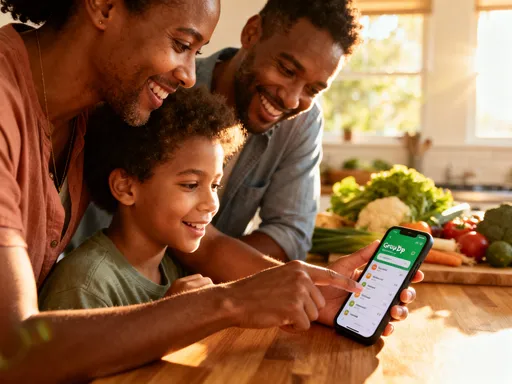
Then, a friend mentioned a shopping list app she swears by. I rolled my eyes—another thing to download, another password to remember. But I was tired of the grocery chaos. So I gave it a try. Within a week, something shifted. Instead of racing to jot things down before someone left the house, we could add items anytime, from anywhere. My daughter added fruit snacks right after school. My husband dropped in pasta while checking recipes at work. I scanned a nearly empty cereal box and added it with a tap. No more double-bought soy sauce. No more missing toothpaste. The real win? My brain felt lighter. That constant background hum of “What did I forget?” finally quieted down. It wasn’t just about groceries—it was about reclaiming mental space in a life that already asks so much.
From Chaos to Calm: How Shared Lists Bring Families Closer
I’ll admit, I didn’t expect a grocery list to bring us closer. I thought it was just a tool for efficiency—fewer trips, fewer arguments. But what happened surprised me. My teenager, who used to ignore all family requests unless they involved her phone, started adding things to the list on her own. Not because I nagged her, but because she saw it as *her* space too. One day, I opened the app and found “Don’t forget Mom’s favorite tea” under the “Drinks” section. My eyes actually welled up. It wasn’t just a reminder—it was care, tucked into a digital list.
My husband stopped sighing when I forgot almond butter. Why? Because now it’s not on one person to remember everything. We’re all in it together. The list became a quiet place where small acts of love show up—“I added apples, you’re welcome :)”, “Get extra dog treats, he’s been good”, or “Pick up candles for game night :)”. These aren’t grand gestures, but they matter. They say, “I’m paying attention. I see what you need.” And that changes things. Technology often gets blamed for pulling families apart—endless scrolling, distracted dinners, kids in their own digital worlds. But this? This is different. This is tech that supports connection instead of stealing it. It doesn’t replace conversation; it creates space for more meaningful ones. Instead of texting, “Did you get the butter?”, we can say, “Thanks for grabbing the ice cream—movie night was perfect.”
How It Works: No Tech Skills Needed, Just a Phone
If you’re thinking, “I can barely set my microwave clock—this sounds too complicated,” I get it. I was there. But here’s the truth: you don’t need to be a tech whiz. All you need is a phone—any phone, even an older one. The app syncs automatically across devices, so when someone adds “chicken” at 7 a.m., it shows up on your screen by 7:02. No extra steps. No confusing settings. Just open the app, type or speak the item, and hit add. That’s it.
Let me walk you through it. Say your son finishes his juice and wants you to buy more. Instead of yelling from the kitchen, he pulls out his phone, says, “Hey, add orange juice to the list,” and the app listens. It’s that easy. Or maybe you’re at the store and see a great deal on pasta. You can scan the receipt later, and the app learns what you buy regularly. I tried this after a big holiday meal, and it remembered we always buy extra rice. Now it suggests it when I open the app around dinner time. My dad, who still calls emojis “those little faces,” tried it for the first time last month. He accidentally added “toilet paper” three times because he wasn’t sure it went through. We laughed about it, but the point is—he used it. And he’s 72. That’s how simple it is. This isn’t tech for tech’s sake. This is tech that serves your life, not the other way around. It’s like having a helpful assistant who never gets tired, never judges, and always remembers the milk.
Beyond the Basics: Smart Features That Fit Real Family Life
Once you get comfortable with the basics, the app starts doing even more behind the scenes. One of my favorite features? It sorts items by store layout. I set it up once—produce, dairy, frozen, pantry—and now when I’m at the market, I follow the list like a map. No more walking in circles trying to remember where the olive oil is. I save at least ten minutes per trip. And when you’re juggling kids, time is everything.
Another game-changer: location reminders. I turned on alerts so that when I’m near the grocery store, the app pings me with, “Don’t forget eggs and bread.” It’s not pushy—just helpful. There was one week I drove past the store three times before finally going in. Without that reminder, I’d have come home with half the list again. The app also lets us create recurring lists. We made a “Back-to-School” list with notebooks, pens, glue sticks, and hand sanitizer. Now, every August, it pops up automatically. We tweak it if needed, but it saves so much mental energy. Same with our “Holiday Baking” list—flour, sugar, vanilla, sprinkles. Ready when we are.
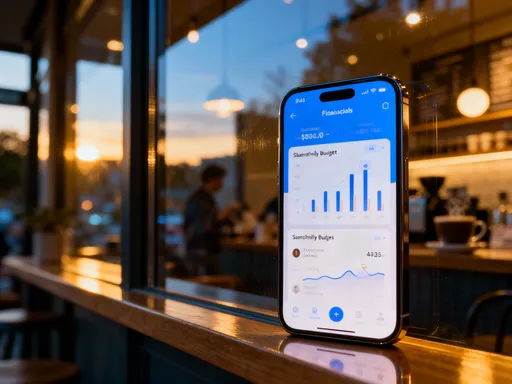
And here’s something that’s helped us stay on budget: the app shows our past purchases. When I’m tempted to grab a fancy new snack, I can quickly see how much we spent last time. It doesn’t stop me every time—sometimes, yes, we need those chocolate-covered pretzels—but it makes me pause. That little window into our habits has helped us cut down on impulse buys and stick to what we actually need. It’s not about restriction; it’s about awareness. And that makes all the difference.
When Life Gets Messy: How the App Helps in Crises Big and Small
Life doesn’t always go according to plan. Last winter, my youngest came down with a nasty flu. I was exhausted, barely keeping up with soup and fever checks. My husband was working late, and I didn’t have the energy to shop. That’s when our neighbor, Sarah, stepped in. I shared the grocery list with her, and she went to the store for us. No long text chains. No “Wait, did I say whole wheat or white bread?” She just opened the app, followed the list, and left the bags at our door. It was a small act, but it felt like a lifeline.
That moment showed me how powerful this simple tool can be when life gets hard. It’s not just for busy weekdays or meal planning. It’s a quiet safety net. When someone’s sick, when schedules collide, when you’re overwhelmed—someone else can step in without confusion. During the holidays, when my mom came to visit, I gave her access too. She added a few ingredients for her famous apple pie, and I didn’t have to play detective in the kitchen. Even during a last-minute schedule change—like when my son’s soccer game got moved and dinner plans had to shift—we updated the list in real time. The pasta order turned into chicken tenders, and everyone knew. No chaos. No stress. Just a quick edit and we moved on. In those moments, the app wasn’t just convenient. It was a small thing holding everything together when everything else felt out of control.
Making It Yours: Simple Tips to Get the Whole Family On Board
Now, I won’t lie—getting everyone to use it didn’t happen overnight. At first, it was just me and my husband. Then I asked my daughter to try it. She rolled her eyes but added gummy bears the first day. Progress. The key? Start small. Don’t try to get five people on board at once. Begin with two. Pick one list—maybe just dinners for the week. Let people get used to it. Celebrate the small wins. When my son remembered to add his favorite granola bar before I asked, I made a big deal. “You’re a list pro!” I said. He grinned. Now he adds things without being reminded.
Make it fun. Use emojis. Let the kids add a treat when they help with chores. One week, my daughter added a rainbow cupcake with a note: “For helping with laundry :)”. It made me smile—and it made her feel involved. I also started leaving little thank-you notes in the app: “Thanks for adding the coffee—morning was smoother.” Tiny acknowledgments go a long way. And don’t aim for perfection. Some weeks, the list gets messy. Items disappear. Someone adds “snacks” with no details. That’s okay. It’s not about control. It’s about teamwork. The goal isn’t a flawless list—it’s a family that’s more connected, more in sync, and less stressed. And that’s worth a few duplicates of toilet paper.
More Than a List: How Small Tech Choices Add Up to a Better Life
At the end of the day, it’s not about the app. It’s about what it gives back. Time. Peace. Connection. Mental space. These might sound small, but when you’re running a household, they’re everything. I used to carry the weight of remembering—what we needed, who needed what, when things ran out. Now, that load is shared. And that changes how I show up as a mom, a wife, a person. I’m less frazzled. More present. More patient. And that ripples into every part of our lives.
These small digital tools, when chosen with care, don’t take us away from real life—they support it. They don’t replace love or effort. They make room for more of it. A grocery list might seem trivial, but it’s part of the rhythm of care. It’s how we say, “I’ve got you,” without saying a word. And when technology helps us do that more easily, it doesn’t just make life simpler—it makes it richer. So if you’re still holding onto that crumpled paper list, I get it. Change is hard. But just try it. Start with one item. One shared list. One moment of “Hey, I added the milk.” You might be surprised how something so small can make such a big difference. Because sometimes, the best tech isn’t the flashiest. It’s the one that quietly helps you breathe a little easier—and love a little deeper.