I kept saying ‘I’ll organize it later’—this group buy app finally helped me remember what matters
We’ve all been there—juggling grocery lists, forgetting who signed up for what, and losing track of family routines. It’s not about being forgetful; it’s about carrying too much in our heads. What if a simple tool could help you stay on top of daily life, strengthen family connections, and preserve precious moments—all through the ordinary act of shopping together? This isn’t about high-tech fixes. It’s about using everyday technology to create rhythm, memory, and meaning in our homes. I used to think I just needed to try harder, remember more, do better. But the truth is, none of us were meant to hold all of life in our minds. What changed for me wasn’t a mindset shift or a new planner—it was a quiet little app our neighborhood mom group started using for weekly vegetable orders. And somehow, that simple habit became the thread that stitched our family’s days back together.
The Overwhelm of Remembering Everything (And Why We Can’t)
Let’s be honest—how many times have you walked into the kitchen, stared into the fridge, and thought, Did I buy milk? Or stood at the checkout, only to realize you forgot the one thing your child asked for all week? These moments aren’t just inconvenient. They chip away at something deeper: your sense of control, your confidence, your peace. I remember one Tuesday morning, my daughter asked if we were having her favorite fruit at lunch. I said yes, only to open the bag and find I’d grabbed the wrong kind. Her face fell. I felt like I’d failed her over something so small. But it wasn’t small. It was symbolic. It was another reminder that I was dropping threads I didn’t even know I was holding.
Our brains weren’t built to track grocery lists, school events, doctor appointments, and everyone’s snack preferences all at once. Yet as mothers, caregivers, and homemakers, we’re expected to. We carry the mental load—the invisible labor of remembering what needs to happen, when, and for whom. Psychologists call it “cognitive labor,” and research shows it weighs heaviest on women, especially those raising children. The burden isn’t just in doing—it’s in planning, anticipating, and remembering. And the worst part? When you forget something, you feel like it’s your fault. But what if it’s not? What if the problem isn’t our memory—it’s the system we’re using to manage our lives?
I started to wonder: what if I didn’t have to remember everything? What if I could let go—without dropping the ball? That’s when our neighborhood’s group buy chat caught my attention. At first, I thought it was just about saving money on organic vegetables. But slowly, I realized it was doing something much bigger. It was holding the memory for me. The list lived outside my head, in a shared space where everyone could see it, update it, rely on it. And in that shift—from internal to shared—I found a kind of relief I hadn’t known I needed.
How Group Buying Became Our Unexpected Memory Keeper
Our local group buy started simply. A few moms in the community wanted to order fresh produce directly from a nearby farm. No middlemen, lower prices, better quality. We used a simple app—nothing flashy, just a space where we could add our names, choose our items, and confirm pickups. The first few weeks were about logistics. But then something subtle began to happen. The chat wasn’t just about vegetables anymore. It became a living timeline of our lives.
Take Sarah, one of the founding members. When her father was in the hospital, she didn’t post a long update. She just wrote, “Skipping this week—dad’s in recovery.” And the group responded not with questions or pressure, but with quiet support: “No worries. We’re here. Take care.” That message stayed in the chat, not as a cry for help, but as a quiet marker of a hard time. Months later, when she returned, someone said, “So good to see your name back on the list.” It wasn’t just about groceries. It was about belonging.
For me, the turning point came when I forgot to order eggs. But my neighbor hadn’t. She added an extra dozen “for the Miller family” and left them at my door. No fanfare. No reminder that I’d failed. Just care, wrapped in a carton. That’s when I realized: this wasn’t just a shopping list. It was a safety net. The app wasn’t just storing data—it was holding our collective memory. Who’s celebrating? Who’s struggling? Who loves mangoes and hates cilantro? All of it lived in the rhythm of our weekly orders. And because it was digital, it was persistent. It didn’t fade like a sticky note on the fridge. It built history. It told our story.
Turning Routine Into Ritual: The Quiet Power of Weekly Lists
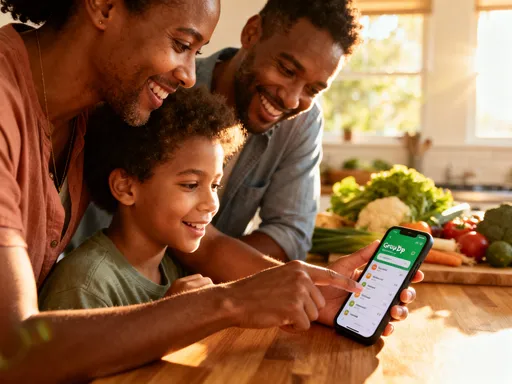
There’s a difference between routine and ritual. A routine is something you do. A ritual is something that does something to you. It connects you. It grounds you. And for our family, the weekly group buy list became a ritual without us even realizing it. Every Sunday night, I’d open the app, review the list, and check off our items. My daughter would stand beside me, pointing at her favorites: “Don’t forget the red apples, Mama!” My husband would chime in, “Get the big pack of carrots—last time we ran out by Wednesday.” These weren’t just purchases. They were conversations. They were moments of connection disguised as errands.
What surprised me most was how much the list began to reflect our values. When my son started school, he had a classmate with a nut allergy. Someone in the group mentioned it casually: “Let’s keep nut-free snacks in the shared bin for pickup days.” That small note stayed in the group rules—year after year. It wasn’t a policy. It was care made visible. The list remembered what mattered, even when we were distracted.
And then there were the seasonal rhythms. The first week of October, someone always added pumpkin spice tofu for baking. Before Lunar New Year, red envelopes and special rice cakes appeared on the list. Before school breaks, sunscreen and trail mix showed up in bulk. These weren’t random additions. They were cultural markers, family traditions, quiet celebrations—all preserved in the digital flow of our orders. The app didn’t create these moments. But it held them. It gave them space to exist, to repeat, to become part of who we are. That’s the power of consistency: when you do something small the same way each week, it begins to carry meaning. The list didn’t just feed our bodies. It fed our sense of continuity.
Keeping Grandmother’s Recipes Alive Without Writing a Single Word
My grandmother never wrote down her recipes. “You’ll know when it smells right,” she’d say, stirring the pot with a wooden spoon. When she passed, I panicked. How would I make her dumplings? Her braised tofu? I searched for notes, photos, anything. There was nothing. But then, something unexpected happened. Every time our family gathered, someone would say, “We need that soft tofu from the organic farm—the one Grandma used.” And we’d order it. Not because it was the cheapest or the most convenient, but because it tasted like memory.
Over time, I noticed a pattern. The items Grandma loved—specific cuts of meat, certain herbs, a particular brand of soy sauce—kept appearing on our group buy list. No one announced it. No one said, “This is how Grandma did it.” But we all knew. We were preserving her way of cooking not through words, but through action. The app became an archive without us even trying. Every order was a quiet tribute. Every pickup was a way of saying, “We remember.”
Tradition doesn’t always live in books or ceremonies. Sometimes, it lives in habits. In the way we choose our food, the brands we trust, the flavors we pass down. And when those habits are shared digitally, they become durable. They survive busy weeks, forgotten conversations, even grief. I don’t have my grandmother’s recipes in writing. But I have something better: a living practice. Every time I check “soft tofu” on the list, I’m not just feeding my family. I’m honoring her. I’m keeping her close. And I didn’t have to do anything special to make it happen. I just showed up. Week after week. The technology didn’t replace memory—it supported it. It made remembrance effortless.
Teaching Kids Responsibility—and Memory—Through Shared Tasks
One of my goals as a parent is to raise children who are not just smart, but thoughtful. Who can manage their own lives with care and confidence. I used to think that meant teaching them to write lists, set reminders, plan ahead. But I’ve learned something simpler: responsibility grows through participation. And the group buy app became one of our most unexpected parenting tools.
When my daughter turned six, I let her choose two items for the family order each week. At first, it was silly: gummy bears, rainbow bread. But I didn’t correct her. I let her learn. The week she chose only sweets, she was disappointed when we ran out of fruit. The week she forgot to tell me, she had to eat whatever was available. Slowly, she began to plan. She started asking, “Can I pick the apples this week?” or “Don’t forget my yogurt.” She wasn’t just choosing food. She was learning cause and effect. She was building memory muscles.
But it went deeper. When she saw her name on the list—“Emma: red apples, strawberry yogurt”—she felt seen. Her preferences mattered. Her voice was part of the family record. And when she helped pack the bags on pickup day, she didn’t just carry groceries. She carried responsibility. I watched her double-check the list, make sure nothing was missing. She was proud. And I realized: this wasn’t just about food. It was about belonging. It was about teaching her that her actions have weight, that her choices matter, that she’s part of something bigger.
Now, my son does the same. At four, he can’t read yet, but he recognizes the picture of bananas. He points. We add them. He beams. These small acts—choosing, confirming, picking up—are tiny lessons in accountability. They’re teaching him that life isn’t just about receiving. It’s about contributing. And the app makes it possible. It gives him a space to participate, to remember, to grow—all within the safety of family routine.
When Life Gets Hard, the List Still Holds
Last winter, I got sick. Not life-threatening, but bad enough that for two weeks, I could barely get out of bed. The kids needed lunches. Homework had to be checked. Laundry piled up. And I felt guilty—like I was failing them. But then, something beautiful happened. The group buy didn’t stop. The list went out. My neighbor ordered our usual items. She left our bag at the door with a note: “Hope you’re feeling better. We’ve got you.”
In that moment, I didn’t feel alone. I didn’t have to ask for help. It came quietly, without drama, because the system was already in place. The app didn’t fix my illness. But it held the rhythm of our life so I could rest. Meals were planned. Groceries were delivered. My children didn’t feel the chaos. They just knew their apples were in the bag, their yogurt was in the fridge. Stability remained.
This is the quiet power of shared systems. When energy is low, when grief is heavy, when burnout hits, we don’t need grand gestures. We need small things to keep working. The list didn’t care that I was tired. It didn’t judge. It just existed—consistent, reliable, unchanging. And in that consistency, I found comfort. I didn’t have to remember. I didn’t have to organize. I just had to receive. And that was enough. The group wasn’t just buying vegetables. They were practicing care. They were saying, without words, “You matter. We see you. We’ve got this.”
Building a Life, One Shared Purchase at a Time
When I first joined the group buy, I thought it was about saving ten dollars on vegetables. I had no idea it would become one of the most meaningful tools in my life. It didn’t just change how I shop. It changed how I live. It taught me that technology doesn’t have to be flashy to be powerful. That the best tools aren’t the ones that do everything for us—but the ones that help us do what matters, together.
What I’ve learned is this: we don’t need to remember everything. We need systems that remember for us. We need rhythms that hold us. We need communities that show up, not with speeches, but with groceries. The app didn’t give me more time. But it gave me more presence. Because I’m not spending my energy tracking lists, I can be with my children. Because I’m not drowning in mental load, I can listen—really listen—when my husband talks about his day. Because someone remembered the eggs, I can remember what really matters.
This isn’t about efficiency. It’s about intention. It’s about using simple technology to build a life that feels lighter, warmer, more connected. Every time I open that app, I’m not just placing an order. I’m reinforcing a rhythm. I’m honoring a tradition. I’m saying yes to community. I’m choosing to let go of the weight of remembering so I can hold on to what truly counts—time, love, presence.
So if you’re still saying, “I’ll organize it later,” I get it. I was there. But what if “later” never comes? What if, instead, you let a simple tool help you begin today? Not with a perfect system. Not with a grand plan. But with one shared purchase. One small act of connection. Because sometimes, the most profound changes don’t come from big decisions. They come from showing up, week after week, in the same quiet way. They come from remembering—not with your mind, but with your actions. And in that repetition, in that consistency, you build not just a home, but a life worth remembering.