I’m fine, really — until the fall: How tech quietly keeps my parents safe and independent
We’ve all heard it: “Don’t worry, I’m fine,” followed by a week of silence. When my dad fell in the bathroom and couldn’t reach the phone, everything changed. It wasn’t about surveillance—it was about peace of mind. Today, simple tech tools help my aging parents live independently while giving me quiet confidence. No alarms, no drama—just gentle, smart support woven into daily life. This isn’t the future. It’s happening now, in homes like ours.
“I can handle it myself” — The quiet pride of aging parents
My mom still insists on making her own grocery list every Sunday morning. She writes it in pencil on that same yellow notepad by the fridge, just like she did when I was a kid. When I suggest ordering online, she smiles and says, “I’ve been doing this for fifty years.” And she has. But what I’ve learned is that her resistance isn’t stubbornness—it’s dignity. It’s about being seen as capable, not fragile. So many of our parents carry this quiet pride. They want to open their own mail, walk the dog, brew their morning tea without someone hovering. And honestly? That’s not something to fix—it’s something to honor.
I remember visiting once and finding her sitting on the edge of the tub, catching her breath after a shower. I asked if she needed help. She shook her head quickly. “I just needed a rest,” she said. But I saw the fear in her eyes—fear of losing control, of becoming a burden. That moment stayed with me. Because it’s not just about physical safety; it’s about emotional safety too. When we offer help too aggressively, it can feel like we’re saying, “You’re not enough anymore.” That’s why the solution can’t feel like a takeover. It has to feel like support—like a quiet hand on the elbow, not a full-time supervisor.
So how do we walk this line? How do we care without smothering? That’s where technology, when done right, becomes more than wires and apps. It becomes a bridge. Not between youth and age, but between love and independence. The goal isn’t to replace their autonomy—it’s to protect it. To give them space to live fully, while giving us the reassurance that if something goes wrong, we’ll know. Not because we’re watching every move, but because the house itself can whisper, “Something’s not right.”
The moment everything changed — A fall, a missed call, a wake-up
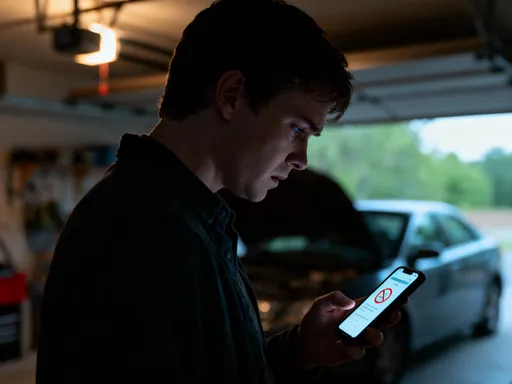
It started with a missed call. I tried my dad at 7 p.m., like I always did. No answer. That wasn’t unusual—he often forgot his phone in the other room. But by 9 p.m., no text, no return call. My stomach dropped. I called my sister. We both lived two hours away. We debated—was it overreacting to drive over? But then I remembered he’d been tired lately. Complained about his knees. And suddenly, “overreacting” didn’t feel like the right worry.
My sister arrived first. She found him on the bathroom floor, conscious but shaken, unable to get up after slipping while drying off. He’d been there for nearly three hours. He’d tried to call, but the phone was in his pants, still hanging on the bedroom door. When he saw my sister, he didn’t cry—he apologized. “I didn’t want to bother anyone,” he said. That broke me. Not the fall, not the fear—but the apology. As if needing help was a failure.
That night changed everything. Not because I suddenly wanted to move him into assisted living. He didn’t need that. He needed to stay in his home, in his routine, with his dog and his garden. But I needed to know he’d be okay when I wasn’t there. We all want our parents to be safe. But more than that, we want them to feel safe—to live without fear, not because nothing can go wrong, but because help is close when it’s needed.
So I started looking. Not for high-tech hospitals in the home, but for gentle solutions. Things that wouldn’t make him feel watched or infantilized. I wanted tools that respected his life, not disrupted it. And I found them—simple, smart, almost invisible. Not because I stopped trusting him, but because I stopped trusting chance. And that’s the truth we don’t talk about: caring for aging parents isn’t about control. It’s about preparation. It’s about loving someone enough to plan for the moment they say, “I’m fine,” but really aren’t.
Beyond baby monitors — Smart sensors that respect privacy
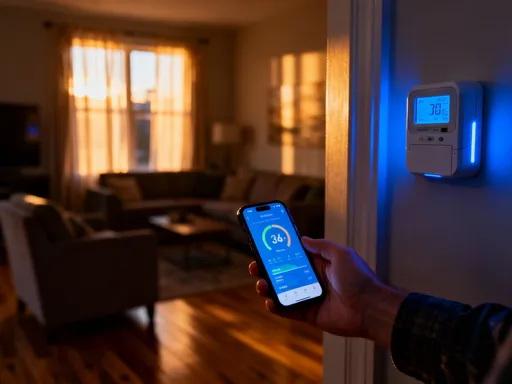
When I first mentioned “sensors,” my mom looked at me like I was suggesting a nanny cam. “You’re going to watch me?” she asked. I realized then—privacy isn’t just about cameras. It’s about dignity. So I explained: no video, no audio. Just small devices that notice patterns. A motion sensor in the hallway. A contact sensor on the medicine cabinet. A smart plug on the coffee maker. They don’t watch. They listen to the rhythm of the day.
Here’s how it works: every morning, Mom gets up around 7:15, shuffles to the kitchen, opens the cabinet for her tea, and turns on the kettle. The sensors detect that sequence. If she doesn’t open the cabinet by 9 a.m., I get a gentle alert: “No tea today.” It’s not an emergency. It’s a nudge. Maybe she’s just sleeping in. But maybe she’s not feeling well. Either way, I can call—calmly, without panic—and say, “Hey, just checking in. Everything okay?” It’s not surveillance. It’s connection.
One winter, the system flagged that the front door hadn’t opened all day—unusual for her, since she walks the dog every morning. I called. No answer. I called the neighbor, who went over and found Mom had slipped in the kitchen but was able to get up. She hadn’t wanted to worry us. That small alert didn’t just confirm she was safe—it reminded her she wasn’t alone. And that’s the beauty of it: the tech doesn’t replace human care. It makes it more intentional.
Setting it up was easier than I thought. Most devices are plug-and-play. I spent one afternoon with Mom, placing sensors where they felt natural. We laughed about it—“This one’s for your tea habit,” I said. She rolled her eyes but smiled. The key was doing it together, not for her. And now, she checks the app herself sometimes. “Looks like you got your tea today,” I’ll tease. “Of course I did,” she’ll say. “The house would’ve told you if I didn’t.”
Wearables that don’t feel like medical gear — Safety in plain sight
My dad refused the first medical alert button I gave him. “Looks like something out of a hospital,” he grumbled. He wasn’t wrong. It was bulky, beige, and screamed “I’m old.” So I went back to the drawing board. What if safety didn’t look like an emergency? What if it looked like… a watch?
Today, he wears a sleek silver smartwatch. It tells time, tracks his walks, and—most importantly—has fall detection. If he falls and doesn’t move for a minute, it automatically calls for help and alerts me. But here’s the thing: he wears it because he likes it, not because I begged him to. It didn’t come with a lecture. I just left it on the table one visit with a note: “Saw this and thought of you. No pressure.” Two days later, he called: “This thing actually works pretty well.”
That’s the secret—design matters. When tech feels like a burden, it gets ignored. When it feels like a tool you’d want anyway, it gets used. Modern wearables are stylish, lightweight, and blend into daily life. Some look like classic watches. Others are delicate pendants that match a necklace. The goal isn’t to shout “I need help!”—it’s to whisper “I’m covered.”
Introducing one doesn’t have to be a big conversation. Start with a trial. Let them choose. Focus on features they’ll actually use—like step counting or weather updates. The safety features? They’re there, quietly, in the background. And when they’re needed, they work. My aunt’s pendant once triggered during a fall in her kitchen. Help arrived in eight minutes. She was back on her feet, laughing, by the time her daughter got there. “Turns out I’m not as broken as I thought,” she said. But she kept the pendant on. Because now, she knows: she’s not alone.
Voice assistants — The hands-free helper in every room
My mom used to forget to turn off the stove. Not often—maybe once a month. But once is too many. Then we got her a voice assistant. Now, before bed, she says, “Hey, did I leave the stove on?” And the device checks the smart plug we connected to the range and says, “The stove was turned off at 6:42 p.m.” Just like that, peace of mind.
Voice assistants aren’t just for playing music or checking the weather. For older adults, they’re a daily support system. Need to call a family member? Just say the name. Forget your glasses? Ask where you left them (if you’ve tagged them with a smart tracker). Cooking and can’t read the recipe? “Read my pasta recipe aloud.” It’s like having a thoughtful friend in the room—one who never gets tired of answering the same question twice.
One of the most powerful uses? Medication reminders. My dad takes five pills a day. Before, he’d sometimes skip a dose or double up. Now, the assistant chimes at 9 a.m.: “Time for your morning meds.” If he doesn’t respond, it follows up in five minutes. He can say, “Remind me later,” and it adjusts. No guilt, no nagging—just gentle support.
And it’s not just practical. It’s emotional. My mom sometimes says, “Tell me a joke,” or “Play that song from the 60s.” It’s not loneliness—it’s connection. The voice becomes a companion, not a replacement for people, but a bridge to them. When I call, she’ll say, “The house reminded me to take my pills today.” And I smile, knowing she’s not just safe—she’s thriving.
Remote support made simple — How families stay involved without taking over
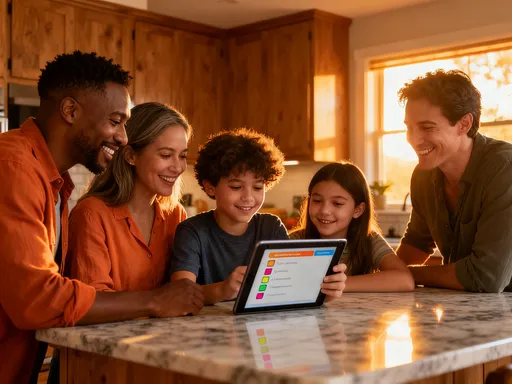
After Dad’s fall, my sister and I argued about who should check in more. It felt like guilt, not teamwork. Then we started using a shared family app—one that lets us both see alerts, set reminders, and coordinate visits. No more double-calling. No more “Did you hear from Mom?” texts at midnight. Just calm, clear communication.
The app shows us when Mom opens her medicine cabinet, when Dad takes his walk, when the front door locks at night. We don’t watch it like a security feed. We check in once a day, like reading the news. And when an alert comes, we talk about it—calmly, together. “Mom didn’t take her afternoon walk. Should one of us call?” It’s not about control. It’s about collaboration.
The key? Consent. We didn’t install anything without asking. We sat down as a family and said, “We want to help, not hover. What would make you feel supported, not watched?” They set the rules. We follow them. That trust is everything.
Now, when I’m on vacation, I don’t panic. I know I’ll get an alert if something’s off. And if I do, I can call the neighbor, message my sister, or just reach out directly. It’s not about being everywhere—it’s about being ready. And that changes everything. Because now, caring isn’t exhausting. It’s sustainable. We’re not rescuers. We’re partners in peace of mind.
Peace of mind isn’t luxury — It’s built into everyday tech
Independence isn’t the opposite of help. It’s the result of it. My parents don’t need to prove they can do everything alone. They just need to know that if they can’t, someone will know. That’s what this is about—not fear, but freedom. The freedom to live fully, to age with grace, to say “I’m fine” and mean it.
I used to worry that technology would make our home feel cold, clinical. But the opposite happened. It made it warmer. Because now, when I call, I’m not asking, “Are you okay?” I’m saying, “What did you cook today?” Or “How’s Mr. Whiskers?” The fear has made room for joy.
These tools don’t make aging easier. They make living richer. They give my parents confidence. They give me calm. And they give our family something rare in today’s world—presence without pressure, love without limits.
So if you’re sitting there, hearing “I’m fine” and wondering if it’s true, know this: you’re not overreacting. You’re paying attention. And there’s a way to care that doesn’t cost dignity. It starts with a sensor, a watch, a voice. But it ends with something much bigger: a life lived fully, a heart at ease, and a phone call that begins with, “I’m fine—and I really mean it.”