What If Your Daily Chats Could Become a Lifetime of Shared Memories?
Imagine sitting together years from now, laughing at how you once debated where to eat or bickered over weekend plans—only this time, it’s not forgotten. What if the little conversations you barely notice today could become the heart of your family’s story? With the right tools, your everyday moments don’t just pass by—they become treasures you both keep and pass on. Think about it: the way your partner says “good morning” when they’re still half-asleep, the silly joke your child made during breakfast, the quiet sigh after a long day. These aren’t just passing words. They’re the real soundtrack of your life. And what if you could hold onto them—not just in memory, but in voice, in words, in something you can revisit whenever you need a little warmth?
The Hidden Gold in Your Everyday Conversations
You don’t need a grand anniversary trip or a candlelit dinner to build a meaningful relationship. Often, the most powerful moments happen in the in-between—while folding laundry, driving to school, or sipping tea before the house wakes up. These small exchanges—“How did that meeting go?” or “The kids laughed so hard at dinner”—carry emotional weight. They’re not just updates. They’re tiny acts of connection, trust, and presence. And over time, they weave the fabric of your shared life.
Yet, we tend to overlook them. We save the birthday cards and the vacation photos, but what about the voice note your partner sent when they were stuck in traffic and just wanted to hear your voice? Or the way your daughter described her first soccer game with wild hand gestures and a gap-toothed grin? These moments feel fleeting, but they’re actually foundational. Psychologists often point out that emotional intimacy isn’t built in big declarations—it’s built in consistent, small acknowledgments of each other’s inner worlds. When you say, “I remember you said that last week,” you’re not just recalling words. You’re saying, “I was listening. You matter.”
And here’s the truth: those everyday conversations are already happening. You’re already sharing them. The shift isn’t in doing more—it’s in preserving what you’re already doing. It’s about turning invisible moments into something tangible, something you can return to when life gets loud or lonely. Think of it like tucking away seeds in a garden. You don’t see the bloom right away, but one day, you’ll look back and realize how much has grown from what you quietly saved.
Why Most Couples Lose Their Story Over Time
Life moves fast. One minute you’re talking about what to cook for dinner, the next you’re juggling school pickups, work deadlines, and a to-do list that never ends. In the rush, conversations get lost in the noise. Texts get buried under new notifications. Voice messages disappear after a software update. Photos stay trapped in a phone that no longer turns on. And over time, the story of your relationship—the real, unfiltered version—starts to fade.
It’s not that you don’t care. It’s that memory is fragile, and modern life doesn’t make it easy to hold onto the soft, quiet parts of your days. We’ve replaced handwritten letters with quick texts, but texts vanish. We take hundreds of photos, but most never get organized. We talk constantly, but rarely save the tone, the laughter, the pauses between words—the things that make a voice feel like home.
And ironically, technology, which was supposed to help us remember, often makes it worse. Our devices are full of clutter—spam messages, app alerts, blurry screenshots—but not the things we actually want to keep. We end up with digital chaos instead of a clear story. A 2022 survey found that over 60% of adults worry they’re losing personal memories because they’re scattered across devices or stored in formats they can no longer access. The result? A gap in the narrative. You remember the milestones—weddings, births, holidays—but the everyday rhythm of your life? That’s harder to recall.
But here’s the good news: you don’t have to choose between living fully and remembering deeply. You can do both. With the right approach, technology can become a quiet guardian of your story, not a source of stress. The key is using tools that work with your life, not against it—ones that capture moments without making you feel like you’re putting on a performance or adding another task to your plate.
How Technology Can Quietly Capture What Matters
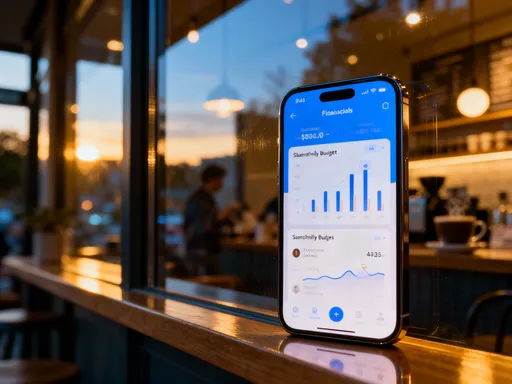
What if your phone could listen—not to sell you ads, but to help you remember? That’s the promise of thoughtful, life-centered tech. We’re not talking about constant surveillance or complicated setups. We’re talking about tools that act like a gentle witness to your days. Imagine an app that automatically saves a short audio clip when you and your partner laugh during a call. Or a shared journal that turns voice notes into text and organizes them by date, topic, or mood.
These aren’t futuristic fantasies. They exist today, and they’re designed to be unobtrusive. Voice journaling apps, for example, let you press a button and speak freely—no editing, no pressure. You can say, “Just got home. The kids missed you. I saved you some soup,” and the app stores it safely. Some even offer smart tagging, so when you search “laugh” or “first day of school,” you can instantly find those moments. Others sync across devices, so whether you’re on your phone, tablet, or home speaker, your memories stay accessible.
And it’s not just about audio. Some couples use shared digital diaries where they exchange short reflections each evening. One person writes, “Today I felt proud when I handled that tough conversation at work,” and the other responds, “I’m so glad you told me.” These aren’t long essays—just a few sentences, but over time, they build a rich emotional timeline. The technology doesn’t create the connection; it simply holds space for it.
The beauty is in the simplicity. You don’t need to be tech-savvy. You don’t need to spend hours organizing. The tools do the heavy lifting—backing up data, transcribing speech, protecting privacy—so you can focus on what matters: showing up, speaking honestly, and knowing it’s being kept.
Choosing Tools That Fit Your Life, Not Control It
Not every app is right for every couple. Some feel too clinical, like a spreadsheet for your emotions. Others demand too much—daily logins, complex setups, constant prompts. The best tools are the ones you forget you’re using. They feel natural, like a well-placed notebook on the kitchen counter or a favorite coffee mug that’s always within reach.
When choosing a platform, start with ease. Does it work across your devices? Can you use it offline? Is the interface simple enough that you won’t need a tutorial every time? Look for features like automatic cloud backup—so if your phone breaks, your memories don’t vanish. Voice-to-text conversion is also helpful, especially if you prefer typing later or want to search keywords. And privacy? Non-negotiable. Make sure the service uses encryption and doesn’t share your data. This is your story. It should be safe.
Consider how the tool fits into your routine. If you’re already in the habit of texting each other goodnight, maybe a shared journal app that feels like a private chat is perfect. If you love voice messages, pick one that organizes them neatly and lets you replay them with a single tap. Some couples even use smart speakers to record short daily check-ins—“Hey, tell me one good thing from your day”—and the device saves it to a private playlist.
The goal isn’t to document everything. It’s to capture the moments that matter, in a way that feels effortless. You’re not curating a highlight reel. You’re building a living archive of your real life—the messy, beautiful, ordinary truth of it. And the more seamless the tool, the more likely you are to keep using it. Consistency beats perfection every time.
Building a Ritual, Not a Chore
Here’s the secret: memory-keeping doesn’t have to be another task on your list. It works best when it’s woven into what you’re already doing. Think of it like brushing your teeth—not something you do because it’s exciting, but because it feels good to maintain what matters. The same can be true for saving your conversations.
Start small. Try a two-minute voice note after dinner. Just say, “Today, the light was golden when we walked the dog,” or “I loved how you made the kids laugh at breakfast.” No script. No pressure. Just a moment of reflection. Or set a weekly “listen-back” date—Sunday morning coffee, just the two of you, pressing play on a shared folder of your favorite clips from the week. You might hear your partner saying, “I’m so tired, but I’m glad we did this,” and suddenly, you’re reminded of how far you’ve come.
Some couples create fun tags—“laugh of the week,” “best advice from the kids,” “coziest moment”—to make it playful. Others tie it to existing habits: one journal entry while the pasta boils, a shared voice message during the commute. The ritual doesn’t have to be long. It just has to be regular. Over time, these tiny acts accumulate into something profound—a library of your life, built one honest moment at a time.
And when you miss a day? No guilt. This isn’t about perfection. It’s about presence. Even if you only capture one real moment a week, you’re doing something powerful. You’re saying, “This mattered. I want to remember.”
Turning Recordings into Meaningful Keepsakes
Saving memories is only half the journey. The real magic happens when you revisit them. There’s something deeply moving about hearing your partner’s voice from six months ago, saying, “I’m nervous about this job interview,” and knowing how it turned out. Or listening to your child’s high-pitched voice describing their favorite cartoon, realizing how much they’ve grown.
These recordings can become more than files on a screen. With simple tools, you can turn them into audio letters—curated playlists of your favorite moments, shared on birthdays or anniversaries. Imagine gifting your partner a “Year of Us” mix: clips from vacations, quiet nights, silly arguments, and heartfelt talks. Or compile a digital scrapbook, where voice notes float beside photos and handwritten notes, creating a multi-sensory story of your year.
Some services even let you print your journal entries or audio transcripts into a physical book—perfect for grandparents, or for keeping on the shelf to read when the Wi-Fi’s down. One couple I know created a “When We First Met” book for their tenth anniversary, filled with early voice messages and texts. They said reading it felt like falling in love all over again.
The point isn’t just preservation. It’s reconnection. In the middle of a busy week, when you’re both exhausted and snapping at each other, pressing play on a recording from last winter—your partner saying, “I love how we always find our way back”—can soften your heart in an instant. These aren’t just memories. They’re lifelines.
The Deeper Gift: Growing Closer Through Shared Reflection
Beyond nostalgia, there’s something transformative about regularly revisiting your journey together. When you listen to your past conversations, you don’t just remember what happened—you begin to see patterns. You notice how you’ve both grown. You hear the moments when you were patient, and the times you could have been kinder. You start to understand each other’s rhythms—the way one of you processes stress, or how the other shows love through small acts.
This kind of reflection builds empathy. It’s easier to feel frustrated in the moment, but when you hear your partner’s voice from three months ago saying, “I’ve been feeling so much pressure at work,” and you realize you didn’t fully see it then, something shifts. You’re not just remembering—you’re learning. And that learning deepens your connection.
Some couples make it a monthly practice—over wine or during a walk—to listen to a few clips and talk about what they notice. “I didn’t realize how much I was worrying about money,” one woman shared. “Hearing it back helped me open up.” Another said, “We laughed at how we used to argue about the thermostat. Now it feels so small.” These conversations aren’t about fixing the past. They’re about understanding it, and carrying that understanding into your present.
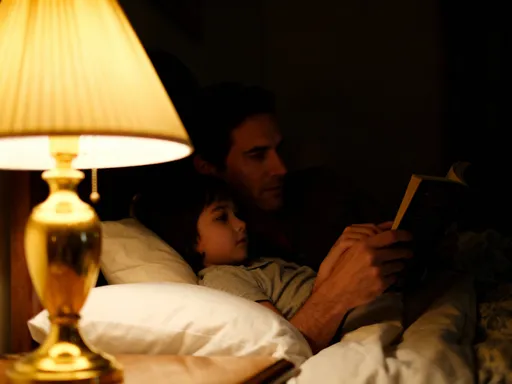
And for your children? These recordings become a priceless legacy. Imagine your daughter, years from now, hearing her mother say, “You danced in your pajamas today and made me so happy.” That’s not just memory. That’s love made audible.
So, what if your daily chats could become a lifetime of shared memories? They already can. You don’t need a perfect system or a tech upgrade. You just need the willingness to pause, to speak, and to save a little of what matters. Because one day, those ordinary words will be the ones you’d give anything to hear again. And thanks to the quiet power of thoughtful technology, you will.