From Frustrated to Effortless: Parking Spot Finders That Gave Me My Time Back
Walking into a crowded mall parking lot, circling for 20 minutes, late for my daughter’s recital—sound familiar? I used to dread driving in cities, stressed and rushed. But now, thanks to smarter parking tech, I arrive calm, on time, and in control. It’s not magic—it’s simple tools that talk to each other, and finally work *with* me, not against me. Let me show you how this small change made a big difference in my daily life. What felt like a constant battle has turned into something surprisingly peaceful. And if you’ve ever snapped at your kids because you were stressed about parking, you’ll understand why this matters more than you think.
The Daily Struggle: When Parking Steals Your Peace
Let’s be honest—parking shouldn’t be this hard. Yet, how many times have you pulled into a lot, heart already racing, scanning row after row with no luck? I remember one Saturday morning, rushing to drop my son off at his soccer game. We were only ten minutes away, but it took us nearly thirty just to find a spot near the field. By the time we got there, he was late, I was flustered, and the whole morning felt ruined. It wasn’t just about being late. It was the tension in the car, the tightness in my chest, the way I snapped at my kids for asking simple questions. I didn’t want to be that mom—the stressed, impatient one—but the frustration was real, and it bled into everything.
It happens everywhere. The grocery store on a busy afternoon. The school pickup line when it’s raining. The doctor’s office when you’re already anxious about the appointment. You arrive with one goal—get in, get what you need, get out—and yet, parking turns it into a mini-crisis. You circle the block, eyes darting, hoping someone will pull out just as you pass. You start calculating: Should I park far away and walk? Will I get a ticket if I stay too long? Is this spot really wide enough for my minivan? These aren’t just logistics. They’re emotional landmines, tiny stressors that pile up until you feel drained before your day even really starts.
And it’s not just about time. It’s about energy. Every minute spent searching for a spot is a minute you can’t spend helping your daughter with her homework, calling your mom back, or just taking a deep breath before walking into a meeting. Over time, it wears you down. I started to notice how often I’d come home from errands feeling more exhausted than when I left. I wasn’t running marathons or working double shifts—just running simple errands. But the constant low-grade stress of parking was stealing my calm, one circle around the block at a time.
Why Old Habits Fail: The Gap Between Effort and Results
For years, I tried to outsmart the system. I’d leave earlier. I’d park at the far end of the lot, hoping to snag a better spot on the way out. I even asked my neighbor if I could keep a spare key to her garage—just in case. But these workarounds never really worked. Leaving early just meant I arrived with more time to stress. Parking far away made grocery trips miserable when it was cold or rainy. And the garage key idea? Well, it was sweet, but not practical.
The truth is, our old strategies were built for a world that doesn’t exist anymore. When I was growing up, parking was simpler. There were fewer cars, fewer shopping centers, fewer demands on our time. Now, everything moves faster, and the places we go are more crowded than ever. But we’re still trying to solve modern problems with outdated habits. We treat parking like a personal failure—if only we were earlier, smarter, or luckier. But the problem isn’t us. It’s the system. Information about parking used to be invisible. You couldn’t know if a spot was open until you drove right up to it. That’s like trying to find a table at a restaurant without checking if they’re busy. It’s guesswork, and guesswork wastes time and energy.
What’s changed is that technology has finally caught up with the way we live. We don’t need to memorize every back alley or hope for luck. We need information—real-time, accurate, and easy to access. And that’s exactly what new parking tools offer. They don’t ask us to work harder. They help us work smarter. The shift isn’t about effort. It’s about connection. Your phone, your car, the city’s sensors—they can all talk to each other now. And when they do, parking stops being a mystery and starts being a simple part of your day.
The Quiet Revolution: How Parking Tech Learns to Communicate
You might think parking finders are only for people with fancy new cars or tech degrees. But the truth is, this isn’t about high-tech gimmicks. It’s about simple, human-centered tools that reduce stress. Think of it like this: imagine you have a friend who always knows where the good spots are. They don’t make you wait. They don’t make you guess. They just say, “Turn left in 200 feet. There’s a spot opening up right in front.” That’s what these tools feel like—not a robot, but a helpful nudge at the right time.
Here’s how it works, without all the jargon. Many cities and parking lots now use small sensors—tiny devices built into the pavement—that can tell when a car pulls out of a spot. That information gets sent to an app on your phone in real time. So instead of driving around blind, your map shows you exactly where open spaces are. Some cars even have built-in systems that guide you right to the spot, turning on turn-by-turn directions the moment one opens up nearby. It’s not science fiction. It’s just better communication.
And it’s not just about finding spots. These systems also help cities manage traffic flow, reduce emissions from cars circling endlessly, and make public spaces more efficient. But for me, the biggest win is personal. I don’t have to wonder anymore. I don’t have to stress. I open the app, see the blue dots showing available spots, and head straight there. It feels like the city is finally working with me, not against me. The tech doesn’t take over. It just removes the friction. And in a world that often feels overwhelming, that kind of small relief is priceless.
Real Life, Real Relief: What Changed in My Routine
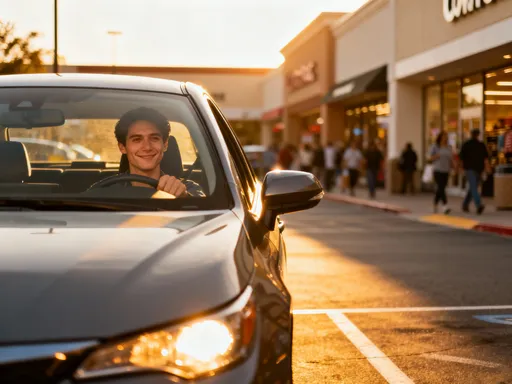
The first time I used a parking finder app during a busy Saturday shopping trip, I didn’t believe it would work. I opened it half-heartedly, expecting another glitch or delay. But there it was—a spot marked just half a block from the store entrance. I drove there, and sure enough, a car was pulling out. I parked, walked in, and actually had time to grab a coffee before starting my shopping. That small win felt huge. But it wasn’t just that one moment. Over time, the changes added up in ways I didn’t expect.
My kids noticed first. One afternoon, after a quiet, stress-free pickup from dance class, my daughter turned to me and said, “Mom, you’re not yelling!” I laughed, but it hit me—she was used to me being tense in the car. Now, I’m calmer. I have space to talk to them, to ask about their day, instead of just counting minutes. Even my husband noticed. “You seem lighter,” he said. “Like you’re not carrying that parking weight anymore.” And he was right. That constant background stress had been weighing on me more than I realized.
My routine changed, too. I used to build in extra time for parking, just in case. Now, I don’t need to. I can schedule things more tightly—not because I’m rushing, but because I’m confident. I’ve started taking evening classes at the community center, something I avoided for years because I was afraid of not finding a spot after dark. Now, I check the app before I leave, know exactly where to go, and arrive relaxed. It’s given me back time, yes—but more importantly, it’s given me back confidence. I feel more in control of my day, and that makes everything else feel a little easier.
Choosing the Right Tool: Matching Tech to Your Life
If you’re curious about trying this, I get it—there are so many apps and features out there. It can feel overwhelming. But here’s the good news: you don’t need the fanciest tool to see a difference. The key is finding something that fits your life, not the other way around. Ask yourself: Where do you park most often? In busy downtown areas? At suburban shopping centers? Near your kids’ schools? That will help you decide what kind of tool makes sense.
If you’re in a city, look for apps that partner with local governments or large parking operators. They tend to have the most up-to-date data. If you’re mostly in suburban areas, built-in car features or general map apps with parking indicators might be enough. I started with a simple app on my phone—no extra cost, just downloaded from the app store. It worked well enough that I didn’t feel the need to upgrade. But if you drive a newer car, check what’s already built in. Many models now come with parking assistance that integrates with your navigation system. It’s like having a co-pilot who’s always on the lookout.
When choosing, focus on ease of use, reliability, and privacy. You want something that’s intuitive—no complicated menus or confusing icons. You want it to be accurate, so you’re not led to a spot that’s already taken. And you want to feel good about the data you’re sharing. Most apps only use your location when you’re actively looking for parking, and you can usually adjust settings to limit access. Think of it like choosing a new pair of shoes. It’s not about the brand. It’s about how it feels when you wear it. Does it make walking easier? Does it fit your day? That’s what matters.
Beyond Convenience: How Small Tech Builds Bigger Calm
At first, I thought parking finders were just about saving time. But the longer I’ve used them, the more I realize they’ve done something deeper. They’ve given me back mental space. That sounds a little abstract, but it’s real. When I’m not using up energy worrying about where to park, I have more to give to the things that matter—my family, my hobbies, even just being present in the moment. I’ve started journaling again, something I let go of during the busiest years. I have more patience. I laugh more in the car.
And it’s not just emotional. There are practical ripple effects, too. Because I’m not late as often, I’ve become better at planning my day. I’ve started saying yes to things I used to avoid—volunteering at school, meeting friends for lunch, signing up for that yoga class. I feel more capable. That sense of control spills over into other areas. I’m more organized at home. I’ve even started meal prepping on Sundays because I’m not coming home drained from a stressful drive.
This isn’t about becoming a tech expert. It’s about using tools that support your life, not complicate it. And when small things work smoothly, big things feel possible. I used to think self-care meant spa days or long vacations. Now I see it differently. It’s the quiet moments—parking easily, walking into an event on time, breathing deeply because you’re not rushing. Those are the moments that build a calmer, more intentional life. And honestly, that’s worth more than any gadget on its own.
Embracing the Shift: Making Smart Parking Part of Your Normal
I’ll admit—I was skeptical at first. I thought, “This won’t work where I live,” or “It’s just another app to manage.” But I decided to try it on low-stakes trips—going to the library, picking up dry cleaning. No pressure. And slowly, I started to trust it. The spots were there. The directions were clear. It worked. Now, it’s just part of how I move through the world. I don’t think about it much anymore, which is exactly the point. The best tools fade into the background and let you live.
If you’re thinking about trying it, start small. Pick one place you go often—your gym, your grocery store, your kids’ school. Use the tool there a few times. Let yourself get used to it. Share it with your family, too. My teenage son uses it now when he borrows the car. He says it makes him feel more independent—and honestly, it makes me feel better knowing he’s not stressed out trying to park downtown.
And if it doesn’t work perfectly the first time? That’s okay. Technology isn’t flawless. But give it a chance. The goal isn’t perfection. It’s progress. It’s about reclaiming moments—those small, precious slices of time and peace that make up a good day. I used to lose them to circling parking lots. Now, I keep them. And if you’re tired of feeling rushed, tense, or defeated before you even walk into your destination, I hope you’ll consider giving it a try. Not because it’s flashy. Not because it’s the latest trend. But because you deserve to arrive calm, on time, and in control—just like I do now.