Why Are You Still Forgetting Family Milestones When Your Phone Can Remember Them For You?
How many birthdays, anniversaries, or “just because” moments have slipped through the cracks this year? You’re not forgetful—you’re just busy. Between school drop-offs, work deadlines, and keeping the house running, it’s no wonder those quiet but meaningful dates fade into the background. But what if the phone in your pocket could quietly keep track of every family moment that matters—then help you celebrate them in ways that feel personal and warm? It’s not magic. It’s not about becoming a tech expert either. It’s about using smart, gentle tools that work behind the scenes so you never miss a chance to say, “I’m thinking of you.” And honestly? That small gesture can mean everything.
The Little Moments We Keep Missing
We don’t forget because we don’t care. We forget because our brains are full. Think about it: you’re managing grocery lists, scheduling dentist appointments, remembering which kid has soccer on Wednesdays, and somehow still trying to squeeze in a few minutes of quiet with a cup of tea. In that whirlwind, it’s easy for a cousin’s 25th wedding anniversary to pass by unnoticed. Or your best friend’s mom’s birthday—the one she mentioned back in February. You meant to write it down. You even thought about it the week before. But life got loud, and now it’s two weeks late, and you’re not sure if reaching out now feels sincere or awkward.
And here’s the thing: those missed moments don’t just disappear. They leave a tiny mark. Not because the person expects a grand gesture, but because being remembered—truly seen—matters. When someone realizes no one acknowledged their big moment, it can quietly chip away at their sense of belonging. It’s not about blame. It’s about how, in the rush of daily life, we sometimes overlook the very people who’ve always shown up for us. I remember talking to my sister last summer, and she mentioned, almost offhand, that no one in the family had said anything about her 40th birthday. Not a call, not a text. “I didn’t expect a party,” she said, “but I did expect someone to notice.” That hit me hard. She wasn’t angry—just a little sad. And I realized, if I didn’t know, maybe others were feeling the same way.
These aren’t small things. They’re the quiet threads that hold families together. And when we drop them, even unintentionally, the fabric starts to fray. The good news? We don’t have to carry all of this in our heads anymore. We have tools that can help us stay connected without adding more stress. It’s not about replacing heartfelt moments with cold technology. It’s about using tech the way we use a good recipe card—something that helps us get it right, so we can focus on what really matters: the love behind the gesture.
How Technology Can Quietly Help Without Taking Over
Let’s be honest—most of us have tried calendar alerts. And most of us have ignored them. A red pop-up that says “Aunt Linda’s Birthday” at 8:03 a.m. while you’re packing lunches doesn’t feel inspiring. It feels like another task. But what if your phone could do more than just remind you? What if it could help you actually *do* something meaningful—without making you feel like a robot?
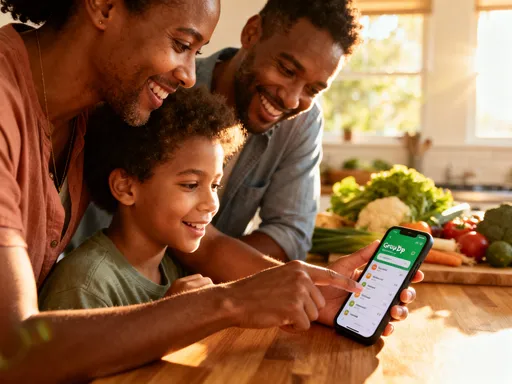
That’s where a new kind of tool comes in: family memory keepers. These aren’t flashy apps with complicated dashboards. They’re simple, intuitive systems designed to learn what matters to you. Think of them like a quiet assistant who pays attention to the little things. You add a few key dates—your nephew’s first piano recital next year, your dad’s retirement anniversary, the day your family got your rescue dog. Then, a few days before, the app doesn’t just ping you. It suggests a way to respond. Maybe it says, “Send a voice note to Dad today? He loved hearing from you last time.” Or, “Add a photo to the family album for Maya’s birthday.”
What makes these tools different is how they adapt. Over time, they notice patterns. If you always send a photo on your mom’s birthday, it might suggest pulling one from last year’s trip to the lake. If you tend to call your sister on your parents’ anniversary, it sends a gentle nudge the night before: “Call time?” It’s not about automation. It’s about support. These tools don’t replace your emotions—they help you express them, especially when you’re tired, distracted, or just need a little push.
And the best part? They work across devices. So whether you’re on your phone, tablet, or laptop, your family’s milestones travel with you. No more logging into a desktop to check a shared calendar. No more sticky notes on the fridge that get lost in the mail pile. This isn’t about turning your life into a corporate schedule. It’s about making sure the people who matter most stay top of mind—without you having to remember everything on your own.
Turning Reminders Into Real Connection
A reminder is only as good as what you do with it. The real magic happens when that little notification becomes a moment of connection. Let me tell you about Sarah, a friend of mine who used to stress about staying in touch with her childhood friends. They’d all moved to different states, started families, and slowly, the group chat went quiet. Then, one day, her reminder app flagged an old note: “10 years since high school graduation – June 14.”
At first, she thought, “Oh, that’s sweet, but it’s been so long. What would I even say?” But the app didn’t just stop there. It showed her a photo from their senior picnic—sunburned, laughing, arms around each other. And it suggested, “Reconnect? Start a group message.” So she did. She typed, “Can’t believe it’s been 10 years since we walked across that stage. I still have the goofy hat.” She attached the photo. Within minutes, replies started pouring in. “I found my yearbook last month!” “Remember how we skipped study hall to get milkshakes?” “We HAVE to do something.”
That simple prompt turned into a surprise video call that weekend. They laughed, cried, shared baby photos, and even planned a reunion for the following summer. None of it would have happened if Sarah hadn’t seen that reminder. But more than that—it wasn’t the app that made the connection. It was her heart, gently guided by a tool that helped her remember what mattered.
This is how tech should work: not as a cold replacement for human warmth, but as a bridge back to it. A nudge to call your brother when he’s going through a tough time. A suggestion to send a voice message to your niece who’s away at college. A quiet “don’t forget” before your best friend’s work anniversary. These aren’t transactions. They’re tiny acts of love that add up to something big—knowing you’re not alone, that someone is paying attention.
Making Memories Together, Not Just Remembering Them
Some of the most powerful tools today go beyond dates. They help families build a living memory bank—a shared space where moments are not just recorded, but celebrated. Imagine an app that doesn’t just say “Family Beach Trip – Year 3,” but shows a collage of photos, a short video clip of the kids building a sandcastle, and a voice memo of your husband saying, “Best vacation ever.” That’s not just a reminder. That’s a story.
These memory banks work like digital scrapbooks, but smarter. They learn what you value. If you always take a family photo in front of the Christmas tree, the app might prompt you the next year: “Time for the tree photo? Last year’s got 12 likes!” If you’ve been keeping a recipe journal—your grandma’s apple pie, your daughter’s favorite pancakes—it can suggest adding a new one after a successful bake. Over time, these tools help you see your family’s journey not as a list of dates, but as a rich, unfolding narrative.
And here’s the beautiful part: when kids grow up and look back, they won’t just see a timeline. They’ll hear voices, see smiles, feel the warmth of traditions. One mom told me how her teenage daughter discovered a video of her first day of kindergarten—something she’d never seen before. She watched it quietly, then said, “I didn’t know I was so nervous. And you were right there.” That moment sparked a long conversation about growing up, fears, and how much her mom had always been her anchor. That wouldn’t have happened without the video. And the video wouldn’t have been found without the app organizing it by date and event.
These tools also help preserve inside jokes, family sayings, and little rituals. Maybe every year on the first snow, you make hot cocoa and watch *The Sound of Music*. The app can log that, show past years’ photos, and gently suggest, “First snow tonight. Cocoa time?” It turns memory into participation. Instead of just recalling the past, you’re actively continuing it. And that strengthens your family’s identity—your sense of who you are, and where you come from.
How to Set It Up in Less Than 10 Minutes
I know what you’re thinking: “This sounds nice, but I’m not tech-savvy. I can barely update my phone.” I hear you. And that’s the best part—this isn’t hard. You don’t need to be a programmer or spend hours learning a new system. Most of these apps are designed for people like us—busy, caring, and maybe a little overwhelmed.
Here’s how to start: First, pick a simple, family-friendly app. Look for one with a clean interface, good reviews, and strong privacy settings. You don’t need fancy features—just something that lets you add dates, photos, and notes. Once you’ve chosen one, open it and tap “Add Event.” Start with one thing—your mom’s birthday, your anniversary, your dog’s adoption day. Give it a name, a date, and maybe a photo. That’s it for step one.
Step two: invite one person. Maybe it’s your sister, your best friend, or your spouse. Most apps let you share an event with a link or email. You can say something like, “Hey Mom, I added your gardening anniversary—hope that’s okay! Thought we could celebrate with your favorite pie.” Keep it light. No pressure. If they don’t respond right away, that’s fine. You’re planting a seed.
Step three: set a reminder. Choose how far in advance you want to be notified—three days, one week, whatever feels right. And if the app offers suggestion features, turn them on. That way, instead of just saying “It’s Aunt Carol’s birthday,” it might say, “Call Aunt Carol today? Last time you talked, she mentioned her new roses.”
That’s it. Less than ten minutes. No complicated setup. And once it’s running, it works quietly in the background. You’ll start seeing prompts at just the right time. And over time, you’ll notice something: you’re not just remembering more. You’re connecting more. And that’s worth every second.
When Tech Meets Heart: The Emotional Payoff
The real reward isn’t in checking off reminders. It’s in the moments that follow. It’s your dad’s voice cracking when you call to wish him a happy retirement. It’s your cousin texting back, “No one’s remembered this before. Thank you.” It’s your daughter saying, “I love that we always do hot cocoa on the first snow. It’s our thing.”
These tools don’t create love. They help us express it. And in a world where we’re all a little stretched thin, that makes all the difference. One woman told me how she used a family app to quietly track her sister’s recovery after surgery. She set gentle reminders to send encouraging messages, share funny memes, or just say, “Thinking of you.” Her sister later said, “Those little notes got me through the hard days. I felt so loved.”
Another friend used it to reconnect with her estranged aunt. She started by adding old family events—her childhood birthdays, her parents’ wedding anniversary. Then, she sent a simple message: “Found this photo of us at the county fair. Remember how we ate too much cotton candy?” The aunt replied with a smiley face. Then a voice note. Then a visit. “We’re not best friends yet,” she said, “but we’re talking. And that’s everything.”
These aren’t just stories. They’re proof that small, consistent gestures—guided by a little tech—can heal, strengthen, and deepen relationships. They remind us that we’re seen, that we matter, that we belong. And sometimes, that’s exactly what someone needs to hear.
Building a Legacy, One Reminder at a Time
In the end, this isn’t about apps or notifications. It’s about love. It’s about being the kind of person who remembers—the one who shows up, who reaches out, who keeps the stories alive. And thanks to today’s gentle, thoughtful technology, we can all be that person, even when life gets loud.
Every time you use a reminder to send a message, share a photo, or start a tradition, you’re doing more than staying organized. You’re building a legacy. You’re creating a web of connection that stretches across time and distance. You’re showing your family, “You matter to me. I see you. I remember.”
And when your kids grow up, they won’t just remember the big events. They’ll remember the small ones—the birthday voice notes, the surprise “just because” texts, the annual beach trip photos that showed how much they’ve grown. They’ll know they were loved, not just in grand gestures, but in the quiet, consistent ways that matter most.
So go ahead. Add one date. Send one message. Start one tradition. Let your phone help you do what your heart already wants to do. Because staying connected shouldn’t be hard. And with a little help from tech, it doesn’t have to be. You’ve got this. And more importantly—they’ve got you.