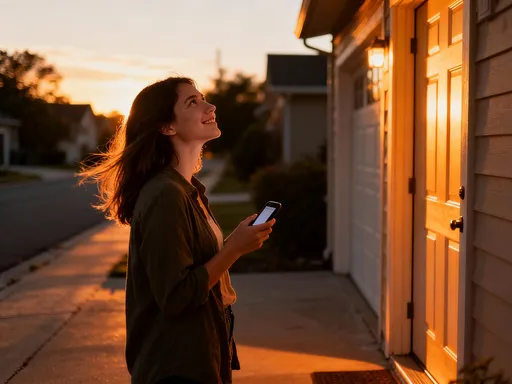
Tired of Family Chaos After Work? How One Simple Setting Brought Us Back Together
After a long day, the last thing I want is to argue about whose turn it is to turn off the lights or why the AC is still running. Sound familiar? I felt overwhelmed, like technology was adding stress instead of helping. There were nights when I walked in the door already tense, only to find the TV blaring, half the lights on, and someone leaving the front door open with the heater going full blast. I wasn’t mad at anyone — I was just tired. And I realized that our home, filled with smart devices meant to make life easier, was actually making us feel more disconnected. Then I discovered a small but powerful feature most of us ignore: energy-saving mode settings. It didn’t just cut our electric bill — it reshaped how we communicate, share responsibilities, and support each other at home. What started as a way to save energy became a quiet force for better balance, harmony, and presence in our family life.
The Evening Chaos That Felt All Too Real
We used to fall into the same pattern every night: coming home exhausted, stepping into a cold or stuffy house, someone forgetting to power down devices, and tempers flaring over little things. I remember one evening, after a grueling day of back-to-back Zoom meetings, I opened the door to find the living room blazing with lights, the ceiling fan spinning uselessly in an empty room, and my youngest watching cartoons at full volume with headphones on. My older child was upstairs, phone charger dangling off the bed, and the kitchen light had been on since lunch. I didn’t yell — I just stood there, hands on my hips, feeling like no one cared. But the truth was, they *did* care. They just weren’t paying attention. And honestly, neither was I — not until that moment.
That night, I started thinking: how much of our family tension was really about the big stuff — school, work, health — and how much was just the daily clutter of mismanaged energy and devices? I began noticing how much of our stress wasn’t from big issues, but from tiny, repeated frustrations tied to how we used (or misused) technology at home. Someone left the oven light on again. The garage door opener was blinking, forgotten. The Wi-Fi router was overheating because no one turned it off at night. These weren’t life-or-death problems, but they piled up like dirty dishes in the sink — small things that made the whole house feel messy, even when it looked clean.
The real problem wasn’t laziness — it was lack of coordination. Our devices were on, but we were out of sync. Everyone was operating on their own schedule, in their own world, with their own digital habits. And I realized that maybe the solution wasn’t more rules or louder reminders — maybe it was something built into the technology we already had. Something simple, automatic, and kind. That’s when I started wondering: could the way we set up our tech actually help us reconnect instead of drift apart?
Discovering Energy-Saving Mode Beyond the Battery Icon
Most of us think of energy-saving mode as just a phone feature to stretch battery life. I used to ignore it, assuming it just made my screen dim and my apps slow down. But when I started researching, I realized it’s more than that — it’s a mindset. Energy-saving settings exist across nearly every smart device we own: smart thermostats, TVs, laptops, lighting systems, even coffee makers. These features aren’t just about conserving power — they’re about creating rhythm, reducing waste, and encouraging intentionality in how we use our homes.
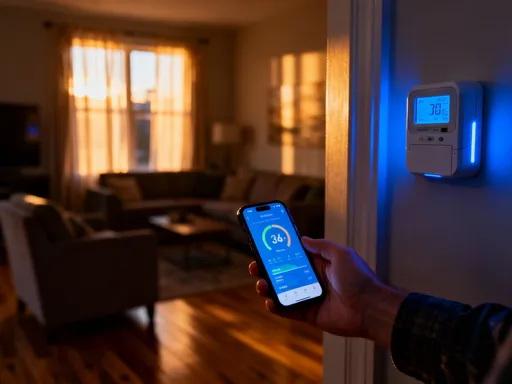
I began exploring the settings on our thermostat and discovered we could set a ‘sleep mode’ that automatically lowered the temperature at night and warmed the house before we woke up. Our smart TV had a feature that turned itself off after 30 minutes of inactivity. Even our router had a schedule option to reduce power during late-night hours. These weren’t complicated hacks — they were built-in tools we’d never taken the time to use. And once I activated them, something shifted. No more yelling about lights — our routines became gentler, more predictable. The house started to feel like it was *breathing* with us, not against us.
What surprised me most was how much emotional space this created. When the environment feels calm — not too hot, not too loud, not lit up like a stadium — we feel calmer too. The predictability of knowing the lights would dim at 9 PM or the fan would shut off at 10 didn’t feel restrictive. It felt safe. Like the house was saying, ‘It’s okay to rest now.’ And that small sense of order gave us room to be more present with each other. We weren’t fighting the chaos — we were designing peace, one setting at a time.
Turning Settings Into Shared Family Habits
The real shift happened when we stopped seeing energy-saving as a chore and started treating it as a family ritual. I invited everyone to join me one Friday evening to go through our devices together. We called it ‘Tech Tune-Up Night.’ My partner managed the thermostat schedule, my teenager handled the entertainment systems, and I set up phone reminders and smart plug timers. My youngest helped by drawing little green stars on sticky notes to mark devices we’d optimized. It wasn’t about perfection — it was about participation.
That simple act of doing it together made everyone feel involved, not blamed. My son said, ‘Wait, the TV can turn itself off? That’s kind of cool.’ My daughter asked if we could make the hallway light turn on only when someone walked by. We laughed, we experimented, and for the first time in a long while, we were all focused on the same thing — making our home work better for all of us. There was no nagging, no guilt, just teamwork.
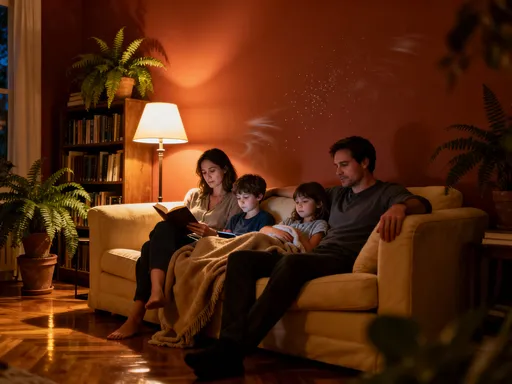
We even added a small celebration: ‘Green Hour’ every Friday, where we dimmed the lights, used only essential devices, and just *were*. We lit candles, played board games, or sat outside and watched the stars. No screens, no rushing, no multitasking. It became something we looked forward to — not because we were saving energy, but because we were reconnecting. And the kids started reminding *us* when it was time: ‘Mom, it’s almost Green Hour!’ That, to me, was the win. When responsibility becomes ritual, it stops feeling like a burden and starts feeling like belonging.
How Lower Power Use Led to Higher Emotional Connection
It sounds strange, but reducing energy use actually increased our emotional energy. With fewer distractions from always-on screens and background noise, we started talking more. Dinners became device-free zones by default. We didn’t announce it — it just happened. The TV wasn’t on in the background, the phones weren’t buzzing, and suddenly, there was space for conversation. My kids shared more about school — not just the surface stuff, but the real things: a friendship that was shifting, a teacher who made them feel seen, a project they were proud of.
I noticed my husband and I started laughing more. Not just polite chuckles, but real, deep belly laughs. The house felt calmer, and so did we. I realized that energy-saving mode wasn’t just preserving electricity — it was preserving moments. The quiet hum of a resting home turned into the perfect backdrop for connection. We weren’t filling silence with noise anymore. We were learning to enjoy it.
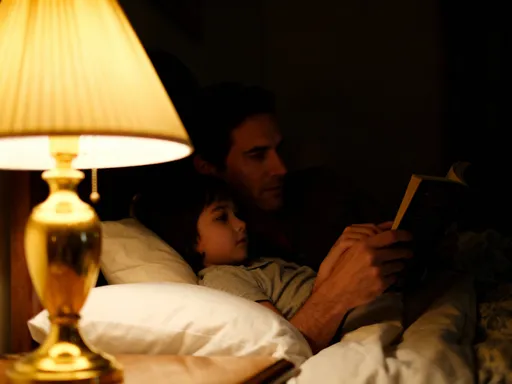
One night, my daughter looked up from her book and said, ‘I like it when the house is sleepy.’ That phrase stuck with me. A sleepy house. Not broken, not lazy — just resting. And in that rest, we found presence. We stopped nagging about chores and started noticing each other. My son began leaving little notes on the fridge: ‘I turned off the game console!’ My husband started asking, ‘Should we go for a walk before the lights dim?’ These weren’t grand gestures — they were tiny signs of care, born from a shared rhythm we’d created together.
Balancing Work, Life, and Devices Without the Burnout
As someone juggling remote work and family time, I used to leave my laptop running all evening ‘just in case.’ I’d check emails after dinner, answer one more message, review a document — and before I knew it, it was 10 PM and I was still ‘at work.’ That blurred the line between job and home. I was physically present, but mentally miles away. My kids would ask me questions, and I’d nod while typing, only to realize I hadn’t really heard them.
Setting a daily energy-saving trigger — like dimming my screen and turning off notifications at 7 PM — became a physical signal that work was done. I programmed my laptop to enter sleep mode automatically, and I set my phone to activate ‘Do Not Disturb’ at the same time. At first, I worried I’d miss something urgent. But the truth was, nothing that came after 7 PM couldn’t wait until morning. And what I gained was priceless: time with my family, without distraction.
My kids noticed too. ‘Mom’s computer is sleepy now,’ my daughter would say, and we’d go read together. That small tech cue brought structure to our days and protected our family time. It wasn’t about being unavailable — it was about being fully available for what mattered most. And that boundary, reinforced by a simple setting, helped me let go of the guilt I used to carry. I wasn’t failing at work — I was succeeding at home.
Making It Easy for Everyone—No Tech Expertise Needed
I was worried this would feel complicated, especially for my parents when they visited. My mom isn’t tech-savvy, and I didn’t want her to feel frustrated or left out. But modern devices make it surprisingly simple. Voice assistants can announce when power-saving kicks in: ‘Good night! Lights will turn off in 10 minutes.’ Smart plugs turn off lamps automatically. Even basic phone settings offer clear, one-tap options for reducing brightness or limiting background activity.
We posted a simple guide on the fridge — just three steps per device — so anyone could follow along. For the thermostat: ‘Press Eco Mode.’ For the TV: ‘Enable Auto-Off.’ For the router: ‘Schedule Night Mode.’ No jargon, no manuals, no stress. The goal wasn’t control, but care. And seeing my mom say, ‘Oh, the house knows when to rest?’ made me realize how intuitive it had become. She didn’t need to understand the technology — she just experienced its kindness.
Even our babysitter picked up on it. ‘You guys have this really peaceful vibe,’ she said once. ‘It’s like the house helps you relax.’ That’s when it hit me: we weren’t just saving energy — we were designing a home that supported well-being. And the best part? It didn’t require buying new gadgets or hiring a smart home expert. It just required paying attention to what we already had and using it with intention.
A Calmer Home, A Fuller Life—What We Gained
Looking back, the savings on our energy bill were nice — about 20% less each month — but not what mattered most. What changed was the *feeling* in our home. Less friction. More presence. We stopped nagging and started noticing. Technology, used wisely, didn’t pull us apart; it gently pulled us back together. Energy-saving mode didn’t just power down devices — it powered up our family life. And that, I’ve learned, is the true measure of smart living.
I used to think smart technology was about convenience — faster answers, quicker results, more control. But I’ve come to see it differently. The smartest tech isn’t the one that does the most — it’s the one that helps us do less, so we can be more. More present. More patient. More connected. It’s not about having the latest gadget — it’s about creating a home that breathes with us, supports us, and reminds us to rest.
So if you’re feeling overwhelmed, if your evenings feel chaotic, if you’re tired of reminding everyone about lights and chargers and thermostats — I get it. But before you add another chore to your list, try this: look at your settings. Not your to-do list — your device settings. Because sometimes, the smallest switch can create the biggest change. One quiet evening, one automatic dimming light, one shared ritual — that’s where peace begins. And that’s how we bring our family back together, one gentle power-down at a time.