Slashed my energy bill by 40% in one month: The app that finally made saving effortless
Living paycheck to paycheck, I used to dread opening my electricity bill. It always felt like a surprise attack—higher than expected, impossible to control. I tried turning off lights and unplugging devices, but the savings were tiny. Then I discovered an energy optimization tool that changed everything. Within weeks, I wasn’t just saving power—I was understanding it. This isn’t about sacrifice; it’s about smart choices. And for the first time, cutting costs actually felt easy. That shift—from confusion to clarity—didn’t happen overnight, but it started with one simple decision: to stop guessing and start seeing.
The Shock of the Monthly Bill: When Energy Costs Hit Home
There’s a moment most of us know too well—the second you tear open the utility envelope and your eyes dart to the total. That number can feel like a judgment. I remember standing in my kitchen last winter, coffee in one hand, bill in the other, heart sinking as I read $187. Just three months earlier, it had been $132. Nothing in my home had changed—no new appliances, no guests, no big lifestyle shifts—yet my energy use had crept up like an invisible thief. I felt helpless, frustrated, and honestly, a little guilty. Was I being careless? Did I leave the oven on? Was the heater running all night?
That emotional weight is real. For so many of us, especially those managing households on tight budgets, the energy bill isn’t just a number—it’s stress. It’s the mental load of wondering if you can afford to run the dryer or keep the house warm when the kids are home from school. It’s the quiet anxiety of not knowing what next month will bring. And here’s the thing: most of us are flying blind. We flip switches, charge phones, run dishwashers, and assume it’s all fine—until the bill arrives and we’re blindsided again. The real problem isn’t laziness or waste; it’s the lack of feedback. How can you manage what you can’t measure?
I started talking to friends, and I wasn’t alone. One mom told me she keeps her thermostat at 68°F all winter because she’s afraid to go higher, even though her kids complain about being cold. Another said she unplugs her coffee maker every night “just in case,” even though she’s not sure it makes a difference. We’re all trying, but we’re guessing. And in that guessing game, small habits pile up into big costs. What if, instead of reacting, we could actually see what’s happening? What if we could stop fearing the bill and start feeling in control?
Life Before Optimization: Living Blind with Energy Use
Before I found a better way, my energy habits were a mix of good intentions and invisible drains. I’d turn off lights when I left a room—most of the time. I unplugged the toaster after use. I even bragged about air-drying clothes to save the dryer cycle. But then there was the Wi-Fi router running 24/7, the TV on standby, the microwave clock glowing all night. My old fridge—bought in 2008—hummed constantly, working overtime to keep things cold. I didn’t know how much power these things used. No one does, unless they’re measuring it.
And that’s the trap so many of us fall into: we focus on the visible actions—like flipping a switch—while missing the silent energy hogs that run in the background. A smart speaker here, a gaming console there, a phone charger left in the socket. Individually, they seem harmless. But together? They can account for up to 15% of your monthly bill, according to the U.S. Department of Energy. That’s like paying for an extra room in your house that no one even uses. I remember feeling defeated after reading that. How could I fix something I couldn’t see?
What made it worse was the lack of feedback. I’d try to be more careful, but without any way to track progress, it felt pointless. Did turning off the living room lights really make a difference? Was running the dishwasher at night saving me money? I had no idea. Conservation became a guessing game, and over time, I stopped trying. That changed the day I realized knowledge isn’t just power—it’s peace of mind. Once I understood that I couldn’t manage my energy use without data, I started looking for tools that could help. And that’s when I discovered something that felt like a lightbulb moment—literally.
Discovering the Tool: A Simple App That Changed Everything
It started with a casual conversation. My neighbor Lisa mentioned she’d cut her energy bill by almost half using an app she found through a local community group. I was skeptical—“half”? That sounded too good to be true. But she showed me her phone, and there it was: a clean, color-coded dashboard showing her home’s energy use in real time. She pointed to a spike at 6:30 a.m. and said, “That’s my coffee maker and toaster running together. Now I stagger them.” Another spike at 9 p.m.? “The kids’ tablet chargers. We unplug them now.” I was stunned. She wasn’t doing anything extreme—just small, informed choices.
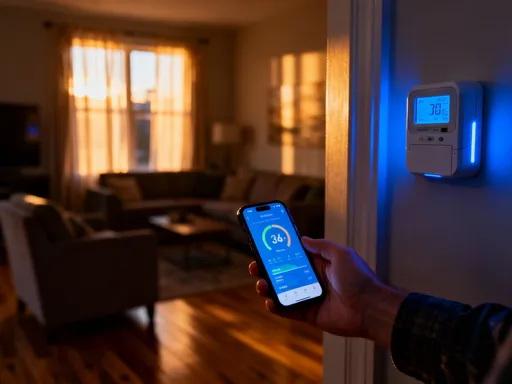
The next day, I downloaded the same app. It works with a small device called a smart energy monitor, which clips onto your home’s electrical panel. Don’t worry—it’s not something you have to install yourself. A technician came out (it took 20 minutes), set up the sensor, and synced it with the app on my phone. No wires, no complicated setup. Within an hour, I had real-time data flowing into my pocket. The app was surprisingly simple—no confusing graphs or technical jargon. Just clear visuals: a live wattage number, a daily usage chart, and color-coded alerts when something unusual happened.
That first evening, I watched the screen as I moved through my routine. I turned on the kitchen lights—usage went up by 50 watts. I started the dishwasher—jumped to 1,200 watts. Then, around 10 p.m., I noticed something strange: even after everything was off, the baseline usage stayed at 380 watts. That’s when I realized: my home was never really “off.” There were always devices pulling power, and I hadn’t even known. That 380-watt baseline? It was the fridge, the router, the TV, the coffee maker, and a few “vampire” devices I didn’t even think about. Seeing it in real time was shocking—and motivating. For the first time, I wasn’t guessing. I was seeing.
Seeing Is Believing: How Real-Time Feedback Transformed My Habits
Once I could see my energy use, everything changed. The app didn’t just show total consumption—it broke it down by time of day and highlighted spikes. I started noticing patterns. Every weekday at 5:30 p.m., there was a surge when I came home, turned on lights, cranked the AC, and started cooking. That 45-minute window was costing me more than I realized. I also learned that my old washing machine used 1,500 watts per cycle—almost as much as the oven. But when I ran it at 10 p.m. during off-peak hours, the utility charged less. The app showed me that, too.
So I started experimenting. I shifted laundry to late evening. I programmed the thermostat to cool the house just before I got home, instead of running all day. I unplugged the guest room TV that no one used. I even started using a power strip for my home office setup—laptop, printer, lamp—so I could turn it all off with one switch. These weren’t drastic changes. But the app showed me exactly how much each one saved. Unplugging the TV? 72 watts down. Using the power strip? Another 45. Small wins, but they added up.
The biggest surprise was how quickly my family got involved. I showed my daughter the app, and she thought it was “kind of cool.” Now she races to turn off lights when she leaves a room—she calls it “beating the energy monster.” My husband, who used to roll his eyes at my conservation talks, now checks the app before running the dishwasher. We started having little challenges: “Can we keep today under 25 kWh?” It became a game, not a chore. And the best part? The next bill arrived, and it was $112. That’s a 40% drop in one month. No sacrifices. Just smarter choices, guided by real information.
The Ripple Effect: From Savings to Smarter Living
What started as a way to save money turned into something bigger: a shift in how we live. I started paying attention to temperature and comfort. I realized I’d been overcooling the house in summer, which made my allergies worse. Now, I keep it at 74°F with a ceiling fan, and I actually sleep better. I also noticed how much clutter came from devices—chargers, adapters, old electronics. Once I started unplugging what I didn’t use, my home felt lighter, less chaotic.
The app helped me become more mindful in other areas, too. I began questioning whether we really needed a second fridge in the garage. (Spoiler: we didn’t. It was mostly holding soda and expired condiments.) I started meal planning to reduce oven use. I even began air-drying more clothes—not because I had to, but because I wanted to. The savings gave me a sense of freedom. That $75 I wasn’t spending on utilities? I redirected it to a family movie night fund. It felt good—not just to save, but to redirect.
But the real win was emotional. For years, I’d felt at the mercy of bills and bills. Now, I feel in control. I know what’s happening in my home. I can predict my usage. I’m not surprised anymore. And that predictability? It’s a kind of peace. My kids see me making choices, explaining them, and succeeding. That’s the kind of modeling I want for them—not just saving energy, but understanding it, managing it, and feeling capable.
Beyond the Bill: The Hidden Benefits of Energy Intelligence
The financial savings were amazing, but the other benefits caught me off guard. One night, the app sent me an alert: “Unusual energy use in basement.” I went down to check—nothing obvious. But the reading stayed high. I started unplugging things, and when I got to the old space heater in the corner, the wattage dropped sharply. I realized it had been left on accidentally for two days. That could’ve been a fire hazard. The app didn’t just save me money—it helped keep my family safe.
Then there’s the environmental piece. The app shows my carbon footprint in real time—how many pounds of CO2 I’ve avoided by reducing usage. Last month, it was 186 pounds. That’s like taking a car off the road for 200 miles. I never thought my household habits could make a measurable difference. But they do. And knowing that makes me proud. I’m not just saving money; I’m doing my small part for the planet.
There’s also a quiet sense of personal growth. Learning to use the app, interpret the data, and make changes gave me confidence. It reminded me that I’m capable of solving problems, even ones that seem invisible. Energy intelligence isn’t just about technology—it’s about empowerment. It’s about taking back control of a part of life that so many of us feel helpless about. And once you start, it’s hard to stop. You begin to see opportunities everywhere—insulating windows, switching to LED bulbs, sealing drafty doors. The app didn’t just change my energy use; it changed my mindset.
Making It Work for You: Simple Steps to Start Today
If you’re thinking, “This sounds great, but I’m not tech-savvy,” I get it. I felt the same way. But here’s the truth: this isn’t about being a gadget expert. It’s about being a smart homeowner. Start by researching energy monitoring apps available in your area. Many utility companies offer them for free or at a discount. Look for ones that work with a smart meter and have a simple mobile app. Read reviews—especially from other moms or homeowners. You want something intuitive, not overwhelming.
Once you have the tool, don’t try to fix everything at once. Pick one room or one habit to track. Maybe it’s your home office, where devices pile up. Or your laundry routine. Use the app to see what’s happening, then make one small change. Try running the dishwasher at night. Unplug unused chargers. Adjust the thermostat by one degree. The key is curiosity, not perfection. Check the app regularly, but don’t obsess. Let the data guide you, not stress you.
And please, be patient. I didn’t cut my bill by 40% overnight. It took two weeks of tracking, experimenting, and adjusting. But every small win built momentum. Now, it’s second nature. My advice? Start today. The next time you open your energy bill, don’t let it shock you. Let it reflect the choices you’re making—smart, informed, and in your control. Because saving energy shouldn’t be hard. With the right tool, it can be effortless. And the peace of mind? That’s priceless.