What If Your Payment App Could Organize Your Life Without You Lifting a Finger?
Imagine opening your phone and seeing not just transaction history, but a clear picture of your spending habits, upcoming bills, family budgets, and even progress toward your personal goals—all organized automatically. No spreadsheets, no stress. Just clarity. What if the app you already use every day could quietly help you become more focused, more intentional, and more in control—without any extra effort? It sounds almost too good to be true, but the truth is, that power might already be in your pocket. You don’t need a new gadget or a complicated system. You just need to see your payment app in a whole new light—not just as a way to pay, but as a silent partner in organizing your life.
The Daily Chaos: How Small Financial Tasks Stack Up
Let’s be honest—most of us didn’t sign up for the mental load of adulthood. We wake up, make breakfast, pack lunches, answer work emails, and somehow also remember to pay the electricity bill before it’s late. And that’s just one day. Now add in tracking grocery spending, remembering who paid for the kids’ soccer registration, and trying to save a little each month for that family trip you’ve been talking about for years. These aren’t huge tasks on their own, but together, they create a constant hum of low-level stress that never really goes away.
Think about it: how many times have you opened your bank app and just stared at a long list of transactions, trying to figure out where your money went last week? Or realized—again—that you forgot to transfer money to your teen’s account for school supplies? These little oversights don’t just cost money; they cost peace of mind. And when money talk comes up at home, it’s easy for frustration to spill over into arguments. "I thought you were handling the internet bill," or "We agreed to cut back on eating out—why is there another restaurant charge?" Sound familiar?
The truth is, we’re not bad at managing money. We’re just using tools that don’t match how we actually live. Most of us carry a smartphone everywhere, and we use digital payment apps daily—whether it’s tapping our phone at the grocery store, splitting a bill with a friend, or ordering takeout after a long day. But we’re only scratching the surface of what these apps can do. Right now, they’re mostly seen as convenient ways to pay. But what if they could do more? What if, instead of adding to your mental load, your payment app could actually help lighten it?
Beyond Transactions: Your Payment App as a Silent Organizer
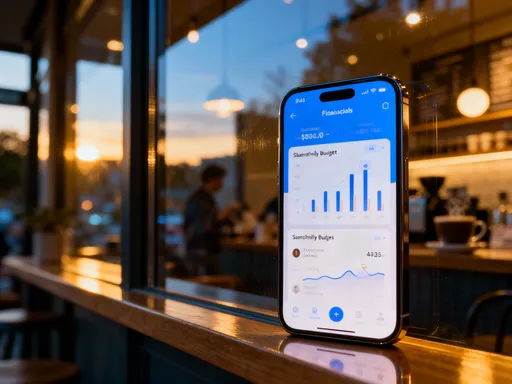
Here’s the thing: every time you make a payment, your app collects data—where you were, when you paid, how much, and what kind of purchase it was. Most of us never see that information in a useful way. It just sits there, buried in a long list of numbers and store names. But modern payment apps are smarter than we give them credit for. They can automatically sort your spending into categories like "Groceries," "Gas," "Dining Out," or "Kids’ Activities." Some even save digital receipts and track recurring payments—like your monthly streaming subscriptions or your child’s piano lessons.
When you start to look at your payment app this way, it stops being just a transaction log and starts feeling more like a personal assistant. Imagine getting a weekly summary that says, "You spent $120 on groceries this week—right on track with your $500 monthly budget," or "Your water bill is due in three days. Would you like to pay it now?" That’s not science fiction. That’s available today in many apps, and it takes just a few taps to turn on.
The real magic happens when these small features work together over time. Instead of you constantly tracking and adjusting, the app learns your patterns. It notices that you buy school supplies every August, that you spend more on gas in winter, and that your coffee runs go up during busy weeks. With that insight, it can gently guide you—like a quiet voice in the background saying, "Hey, you’re doing great this month," or "You might want to check this charge—it’s higher than usual." This isn’t about control or restriction. It’s about awareness. And awareness is the first step toward feeling in charge of your life.
Setting It Up: Making Your App Work for You (Without Overcomplicating It)
Now, I know what you might be thinking: "This sounds great, but I don’t have time to learn a new system." That’s exactly the point—this isn’t a new system. It’s about using what you already have, just a little more intentionally. And the best part? You don’t need to spend hours setting it up. Most of these features take just a few minutes to turn on, and then they run quietly in the background.
Start with something simple: automatic categorization. Most payment apps let you turn this on in the settings. Once it’s active, every purchase gets sorted into the right bucket—no manual labeling needed. You’ll start to see patterns you never noticed before. Maybe you didn’t realize how much you were spending on snacks during school pickup, or how often you’re paying for last-minute dinners because the week got busy.
Next, set up alerts. These are like gentle nudges from your phone. You can choose to get a notification when you’re close to your grocery budget, when a bill is due, or when there’s an unusual charge. One mom I know set an alert for any transaction over $100, just so she’d know if her teenager accidentally bought something big online. She said it gave her peace of mind without feeling like she was micromanaging.
If you share expenses with a partner or other family members, look into syncing your accounts. Many apps let you link shared accounts or create a joint view without giving full access to everything. You can see what’s been paid for the household, while still keeping personal purchases private. And if you’re saving for something specific—like new tires or a birthday gift—try labeling a few transactions with a note like "Vacation Fund" or "Home Repair." Over time, you’ll start to see how those small choices add up toward something bigger. It’s not about being perfect. It’s about making it easier to stay on track.
Family Finances Made Smoother: Sharing Without the Stress
Let’s talk about the elephant in the room: money and family. It’s not always easy to talk about finances with the people you love. Even in the healthiest relationships, money can bring up old habits, unspoken expectations, or past stress. One person might feel responsible for tracking everything, while the other feels left out or judged. And when bills get missed or budgets are blown, it’s easy for blame to creep in.
But what if your payment app could help you communicate better—without saying a word? That’s the quiet power of shared financial tools. Imagine sitting down with your partner and opening a shared spending report that shows exactly where the money went last month. No guesses, no assumptions. Just clear data. You can both see that yes, dining out was higher than planned, but groceries were lower, and the kids’ activities stayed on budget. Instead of a tense conversation, it becomes a chance to plan together.
Some apps even let you set up split-payment reminders. For example, if one of you pays for the family’s streaming subscriptions, the app can remind the other to send their share. It removes the awkwardness of asking and the guilt of forgetting. And for parents managing teens with their own spending, many apps allow you to set up separate views—so you can monitor for safety without invading privacy.
I remember a conversation I had with a friend who started using a shared dashboard with her husband. At first, she was nervous. "What if he thinks I spend too much on books?" But after a few weeks, she said it actually brought them closer. "We’re not keeping score anymore," she told me. "We’re just seeing the full picture together. And when we see progress—like how close we are to our savings goal—it feels like a win we both earned." That’s the shift: from stress to teamwork.
Tracking Goals Without the To-Do List
We all have dreams—some big, some small. Maybe it’s taking the family on a beach vacation, replacing the worn-out couch, or finally getting that kitchen remodel you’ve wanted for years. Or maybe it’s something just for you—like taking a painting class or buying a new camera. The problem isn’t that we don’t want these things. It’s that life gets busy, and saving for them feels like just another task on an endless list.
But what if your payment app could help you stay connected to your goals—without adding more work? Many apps now let you create savings goals and link them directly to your account. You can name it, set a target amount, and even add a photo—like a picture of a beach or a cozy living room. Then, every time you make a purchase, you can mentally (or even digitally) assign a small portion to that goal.
For example, instead of seeing a $5 coffee as just a treat, you might think, "This is part of my vacation fund." Or if you skip a takeout meal, you can move that $15 straight into your "New Couch" goal. Over time, you’ll start to see a progress bar fill up—not because you’re depriving yourself, but because you’re being mindful. And that progress bar? It’s powerful. It turns abstract wishes into something real and visible.
One woman I spoke with started a "Me Time" fund after her kids went back to school full-time. She wanted to take a weekend trip alone—just to recharge. She set a goal of $300 and decided to add $10 from every grocery run where she stayed under budget. Within three months, she’d reached her goal. "It didn’t feel like sacrifice," she said. "It felt like a reward for doing well." That’s the beauty of this approach: it’s not about cutting back. It’s about moving forward, one small choice at a time.
Mental Clarity: The Unexpected Gift of Organized Data
Here’s something no one talks about enough: when your finances are in order, your mind feels lighter. It’s not just about the money—it’s about the mental space it frees up. When you’re not constantly worrying about bills, tracking receipts, or wondering where your paycheck went, you have more energy for the things that really matter—your family, your hobbies, your own well-being.
Think of it like a cluttered kitchen. When the counters are covered in dishes, mail, and half-used grocery bags, even making a simple meal feels overwhelming. But once you clean up, everything feels easier. You can move freely. You can think clearly. Your financial life is the same. When the noise fades, you gain clarity.
And that clarity doesn’t just stay in your bank account. It spills over into other areas of your life. You start to feel more confident making decisions—whether it’s saying yes to a new opportunity or no to an extra commitment. You feel more in control, not because you’re doing more, but because you’re managing less chaos. One user told me, "I used to lie awake worrying about money. Now, I check my app, see that everything’s on track, and go back to sleep. It’s that simple."
This isn’t about becoming a financial expert or achieving perfection. It’s about creating a sense of calm and confidence in your daily life. And when you feel that, you’re not just managing money—you’re building a life that feels more intentional, more balanced, and more like your own.
Building a Smarter, Lighter Life—One Transaction at a Time
At the end of the day, technology doesn’t have to be flashy to be life-changing. You don’t need a robot butler or a futuristic AI to make your life better. Sometimes, the most powerful tools are the ones you already own—used in a smarter way. Your payment app is more than a way to tap and go. It’s a window into your habits, your priorities, and your progress.
By turning on a few simple features, you’re not just organizing transactions. You’re organizing your time, your energy, and your peace of mind. You’re creating space—for deeper conversations with your family, for quiet mornings with your coffee, for dreams that finally feel within reach. You’re not chasing perfection. You’re building a life that feels lighter, clearer, and more in your control.
So the next time you open your payment app, pause for a moment. Don’t just check your balance. Look at what it’s telling you. See the patterns. Celebrate the progress. And remember: every transaction is a chance to move a little closer to the life you want. You don’t need to do everything at once. Just start small. Turn on a notification. Label a goal. Share a report. Let the app do the heavy lifting, so you can focus on what matters most. Because when your finances feel calm, your whole life has room to breathe. And that? That’s the real win.