What If Your Mattress Could Help Save Your Friendships?
Ever noticed how a bad night’s sleep makes you irritable, short-tempered, and less patient—even with the people you care about most? You’re not alone. Poor sleep doesn’t just affect your energy or focus; it quietly strains your relationships. You might snap over a text, cancel plans last minute, or zone out during a heart-to-heart. And while your friends may not say it, those little moments add up. But what if the solution wasn’t just in better habits—but in your bed? Smart mattress technology is stepping in, not just to improve how you sleep, but how you connect, recharge, and show up as a better friend. It’s not about luxury. It’s about showing up—fully, kindly, and with heart.
The Hidden Cost of Poor Sleep on Friendships
Let’s be honest—when you’re running on fumes, everything feels harder. That group message from your besties planning a weekend getaway? You read it, sigh, and tell yourself you’ll reply later. But later never comes. Or maybe your friend calls after work, excited to share news, and you find yourself nodding along while secretly wishing the conversation would end. You don’t want to be that person. But exhaustion does something sneaky: it shrinks your emotional bandwidth. You’re not less loving. You’re just running on empty.
Science backs this up. Studies show that sleep deprivation reduces activity in the brain’s prefrontal cortex—the area responsible for emotional regulation, decision-making, and empathy. When you’re tired, your brain defaults to survival mode. Small frustrations feel like big betrayals. A joke lands wrong. A delayed text feels like a slight. You might not even realize how short you’re being until later, when guilt creeps in. And over time, your friends start to pull back—not because they don’t care, but because they feel like you don’t either.
I remember a season like this. My friend Lisa had just had her second baby, and I kept promising to visit. But every weekend, I’d wake up exhausted, overwhelmed by the thought of driving across town, chatting, holding a baby. I told myself I was being practical. But after the third canceled visit, she stopped asking. It wasn’t until we finally met for coffee months later that she said, “I thought you didn’t want to be part of my life anymore.” My heart broke. The truth? I loved her. I just didn’t have the energy to show it. That moment taught me something powerful: friendship isn’t just about intention. It’s about capacity. And sleep? It builds that capacity.
How Smart Mattresses Work—Without the Tech Jargon
Now, when you hear “smart mattress,” you might picture something out of a sci-fi movie—wires, apps, blinking lights. But the truth is much simpler. Think of it like this: your body has needs at night—support in the right places, a cool surface if you tend to overheat, stillness if you share the bed. A smart mattress listens to those needs, quietly adjusting throughout the night so you don’t have to.
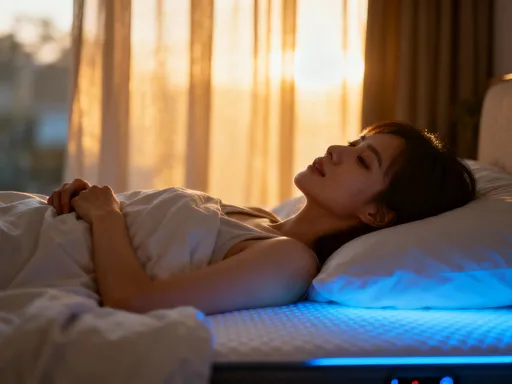
Inside, there are gentle sensors—nothing invasive—that track things like your heart rate, breathing, and movement. They don’t watch you. They just notice patterns. Is one side of the bed warmer? The mattress can cool it down. Are you tossing and turning at 2 a.m.? It might adjust the firmness under your hips or lower back to relieve pressure. Over time, it learns what helps you stay asleep and what wakes you up. It’s not controlling your sleep. It’s supporting it—like a good friend who quietly hands you a glass of water when you’re dehydrated, before you even realize you need it.
And here’s the best part: you don’t need to do anything. No buttons. No daily check-ins. No complicated setup. You just sleep. The mattress works in the background, smoothing out the rough edges of the night. If you tend to wake up hot, it regulates temperature. If your partner moves a lot, the mattress can isolate motion so you don’t feel every shift. It’s not magic. It’s thoughtful design—technology that serves you, not the other way around.
I’ll admit, I was skeptical at first. I thought, “Can a bed really make that much of a difference?” But after a few weeks, I noticed I wasn’t waking up with that stiff neck. I wasn’t sweating through my sheets. And most importantly, I wasn’t dragging myself through the morning like I’d run a marathon in my sleep. It wasn’t just about comfort. It was about consistency. Night after night, I was getting better rest—without having to try harder.
Sleeping Better, Connecting Deeper
Here’s what no one tells you about good sleep: it gives you your life back. When you’re well-rested, you’re not just more alert. You’re more present. You listen better. You remember details. You have space for joy, for curiosity, for laughter. And that changes everything—especially your friendships.
Think about the last time you had a truly great conversation with a friend. Maybe you were catching up over coffee, or walking in the park, or just talking on the phone while folding laundry. You weren’t distracted. You weren’t thinking about your to-do list. You were in it—fully. That kind of connection doesn’t happen when you’re running on three hours of sleep. But it becomes possible when your body and mind are actually rested.
Since my sleep improved, I’ve found myself actually looking forward to social plans. Not just tolerating them. Enjoying them. I can sit through a two-hour dinner and still be engaged in the conversation at the end. I remember what my friend said about her job interview last week. I notice when someone’s voice sounds different and ask, “Hey, is everything okay?” That’s not just politeness. That’s emotional availability. And it starts with sleep.
One evening, my friend Maya called me, stressed about a family issue. Normally, I’d have given a quick “I’m so sorry” and moved on. But that night, I had the energy to really listen. I asked questions. I didn’t rush to fix it. I just stayed on the line. Later, she texted: “Thank you for not making it about you. I really needed that.” That moment didn’t happen because I’m suddenly a better person. It happened because I wasn’t exhausted. I had the emotional reserves to show up. And that’s the quiet power of rest—it doesn’t just heal your body. It restores your ability to care.
Real Stories: Friends Who Reconnected Through Better Rest
Sarah, a mom of two from Ohio, used to cancel every girls’ night. “I’d say yes, then by Friday, I’d be so wiped I’d make an excuse,” she told me. Her sleep was broken—she’d wake up every few hours, never feeling truly rested. Her friendships started to feel like obligations. Then she tried a smart mattress with temperature control and motion isolation. “The first night, I slept through. No 3 a.m. wake-up. No overheating. I couldn’t believe it.” Within weeks, she was saying yes again—not out of guilt, but because she had the energy to want to. “I reconnected with my best friend over dinner. We hadn’t done that in over a year. She said, ‘You seem like yourself again.’ That meant everything.”
Then there’s James, a retired teacher from Oregon. After his wife passed, he relied on his weekly phone calls with his brother. But fatigue made it hard to focus. “I’d nod off during the call. Then feel guilty after.” He felt himself pulling away, not because he didn’t care, but because he didn’t have the stamina. His daughter helped him set up a smart mattress that tracks sleep cycles and gently vibrates to guide breathing if stress is detected. “It doesn’t fix grief,” he says. “But it helps me rest. And when I’m rested, I can be present for my brother. We talk longer now. I remember the stories he tells. It’s like I’m really there again.”
And Maria, a nurse from Texas, used to dread her book club. “I’d read half the book, then fall asleep. Show up unprepared, feeling guilty.” After switching to a smart mattress with personalized support, she started sleeping deeper. “Now I finish the books. I look forward to the meetings. I even started leading one discussion.” Her friends noticed. “You’re so much more engaged,” one said. “It’s like you’re back.”
These aren’t stories about perfect sleep or dramatic transformations. They’re about small shifts that created space—for connection, for joy, for being seen. The mattress didn’t rebuild their friendships. But it gave them the foundation to do it themselves.
How to Choose the Right Smart Mattress for Your Lifestyle
If you’re curious about trying a smart mattress, the first thing to know is this: not all of them are the same. And that’s okay. The right one depends on your life, not someone else’s. So instead of getting lost in features, ask yourself a few simple questions.
Do you share the bed? If so, motion isolation is key. You don’t want to feel every roll and turn your partner makes. A good smart mattress absorbs that movement, so one person’s restlessness doesn’t become the other’s wake-up call. Temperature matters too. If you tend to sleep hot—or if your partner does—look for models with cooling technology. Some use breathable materials. Others have built-in airflow systems that gently regulate heat throughout the night. Either way, staying cool can make a huge difference in how often you wake up.
What about firmness? This isn’t one-size-fits-all. Some people need extra support for their back. Others prefer a softer feel. The best smart mattresses let you adjust firmness—sometimes with a simple remote, sometimes automatically based on your sleep patterns. If you’re unsure, look for ones with trial periods. That way, you can test it in your own home, in your real life.
And don’t overlook setup. You don’t want something that requires a team of engineers. Most modern smart mattresses arrive in a box, expand on your frame, and connect to an app through Wi-Fi. The app isn’t mandatory—you can just sleep—but it can help you understand your patterns over time. Maybe you’re waking up at the same time each night. Or your heart rate spikes before bed. The data isn’t about judgment. It’s about insight. And sometimes, just knowing can help you make small changes.
Finally, consider your current bed. You don’t always need to replace everything. Some smart mattresses work on top of your existing one. Others come as toppers—thin layers that add sensing and support without changing your comfort. The goal isn’t to overhaul your life. It’s to make rest easier, more consistent, more within reach.
Making It Work: Simple Steps to Start Tonight
Now, maybe you’re not ready to invest in a new mattress. And that’s completely okay. The good news? You don’t have to. Better sleep—and better friendships—can start with tiny, manageable steps.
First, try a smart mattress topper. It’s a thinner version of the tech, placed on top of your current mattress. It can still track movement, regulate temperature, and offer pressure relief. It’s a low-risk way to see if this kind of support makes a difference for you. Many come with trial periods, so you can test it without pressure.
Second, track your sleep for one week—not with a device, but with a simple journal. Just note: what time you went to bed, how you felt in the morning, any interruptions. No need for perfect data. Just awareness. You might notice patterns—like how late screen time affects your rest, or how a cup of tea helps you unwind. Those insights are powerful.
Third, adjust your bedroom environment. Dim the lights an hour before bed. Swap bright overheads for soft lamps. Keep your phone out of reach—maybe charge it in another room. These aren’t tech solutions. They’re human ones. And they work.
Fourth, talk to a friend about it. Say, “I’ve been struggling with sleep, and it’s affecting how I show up for people.” You’ll likely hear, “Me too.” That conversation alone can deepen your connection. And who knows? Maybe you’ll both start a sleep reset together.
Progress, not perfection. That’s the goal. One small change tonight. Another tomorrow. Over time, they add up—not just in better rest, but in better days, better moods, better relationships.
Sleep Well, Live Fully: Why Rest Is the Foundation of Meaningful Connection
At the end of the day, friendship isn’t about grand gestures. It’s about showing up. It’s about remembering your friend’s dog’s name. It’s about listening when they’re hurting. It’s about laughing until your stomach hurts over something silly. And to do that—to be truly present—you need energy. You need patience. You need emotional space. And all of that starts with rest.
Better sleep isn’t selfish. It’s how you care for yourself so you can care for others. It’s how you protect the relationships that matter. And when technology can support that—quietly, gently, without demanding your attention—it’s not just useful. It’s meaningful.
The smart mattress isn’t a miracle. It won’t fix every problem or erase every conflict. But it can be a quiet ally in your daily life—a small, steady force that helps you wake up a little more yourself. And when you’re more yourself, you can be more for others.
So the next time you cancel plans because you’re too tired, ask yourself: what if it’s not your schedule, but your sleep? What if the thing standing between you and your friendships isn’t lack of love—but lack of rest?
You don’t have to choose between taking care of yourself and showing up for others. With better sleep, you can do both. And that’s the kind of rest that doesn’t just change your nights. It changes your life.